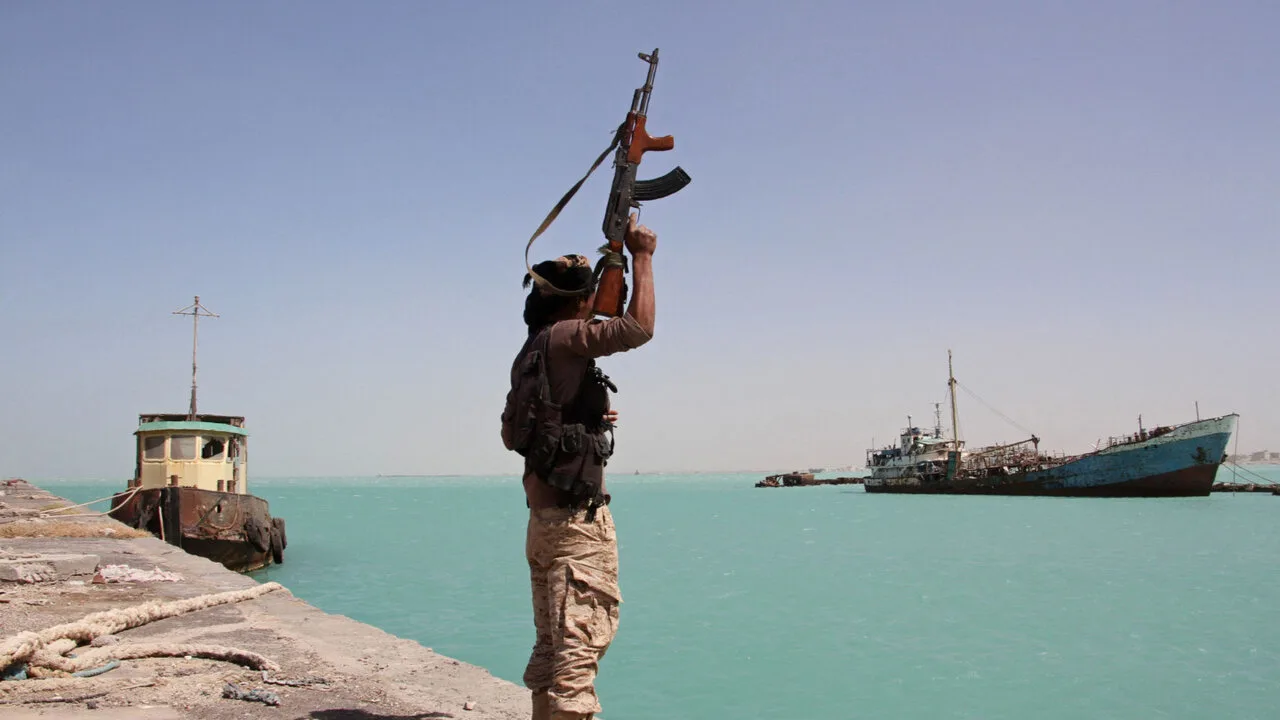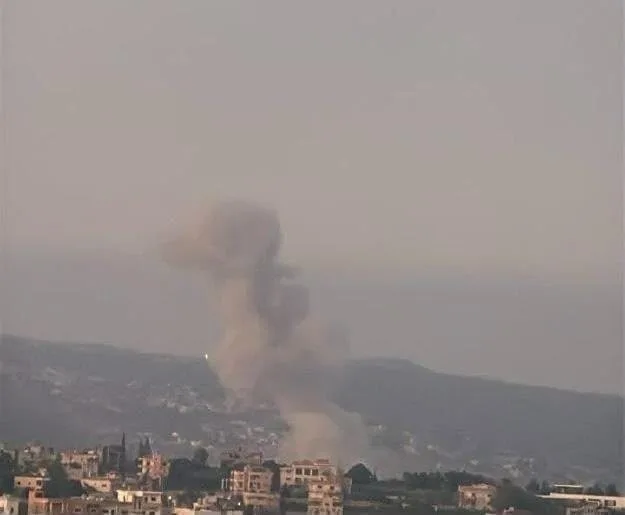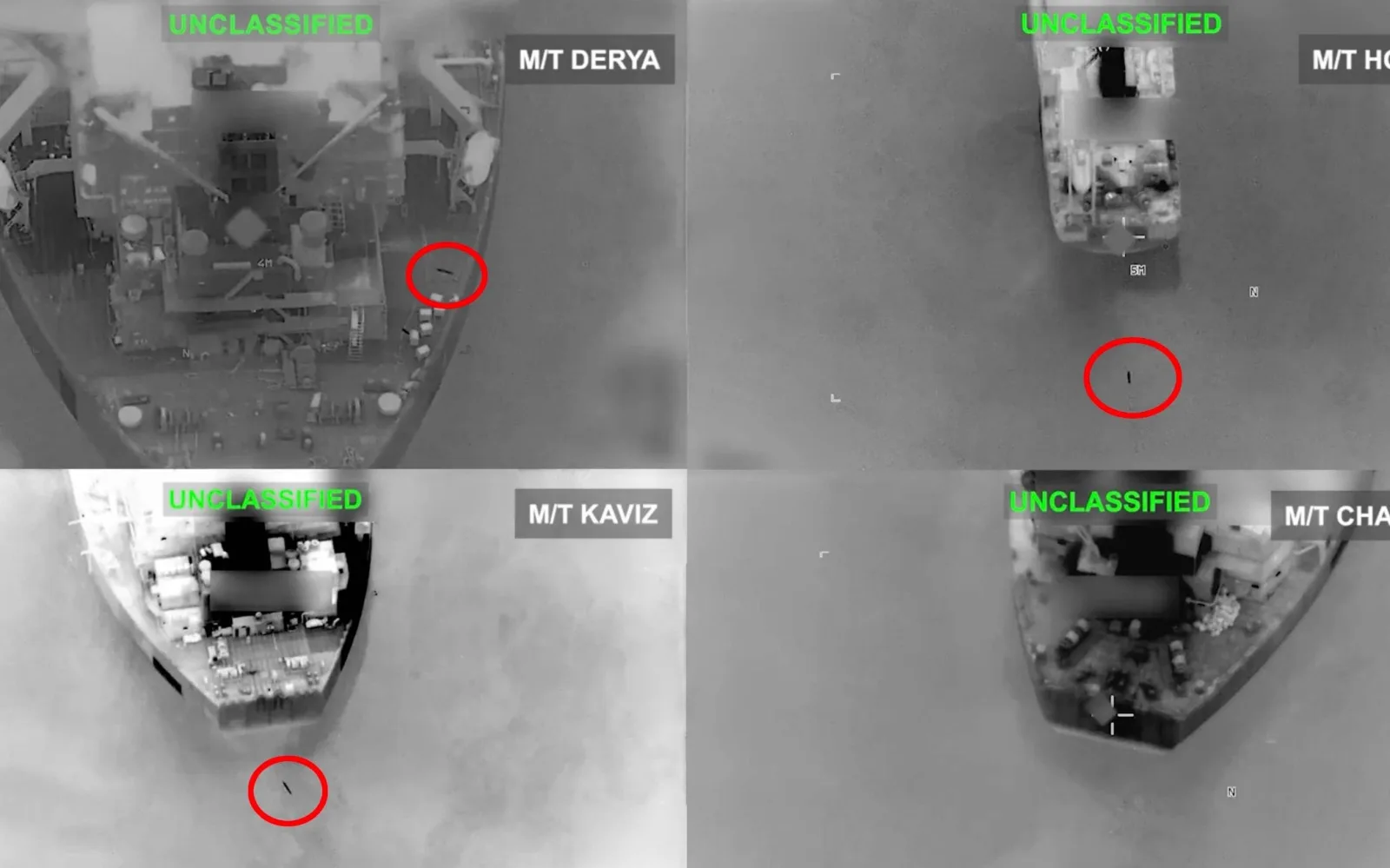
Following the escalation of tensions in the Persian Gulf, the United States has targeted and destroyed five Iranian oil tankers near Khark Island. This military action was taken in response to two missile attacks by the Islamic Revolutionary Guard Corps on a U.S. warship this week. These developments raise important questions about Iran's new military doctrine and its future strategies.
Escalating Tensions
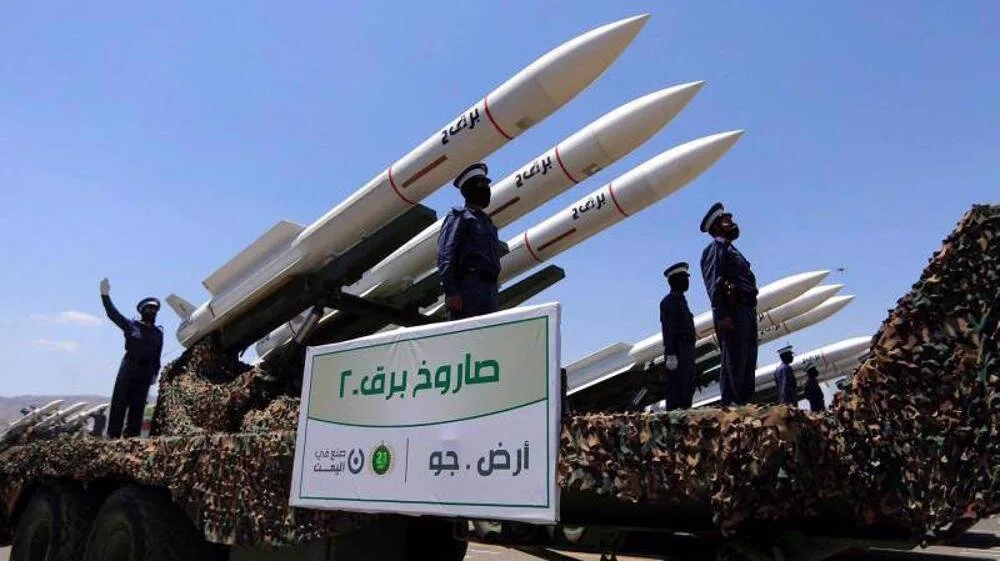
The missile attacks by the Revolutionary Guards on U.S. warships indicate a significant shift in Iran's approach, seemingly aimed at demonstrating its military power against external threats. This action has been sent not only as a signal to the United States but also to other countries in the region that Iran is prepared to respond to any threats.
On the other hand, the U.S. response to these attacks demonstrates its firm resolve to protect its interests in the Persian Gulf and to prevent any threats from Iran. The destruction of the tankers is presented not only as a military action but also as a strong message to Iran that any aggressive actions will be met with severe consequences.
The Future of Iran-U.S. Relations
These developments, especially at a time when nuclear negotiations between Iran and global powers are ongoing, could have profound impacts on the relations between the two countries. Will these actions lead to an all-out war, or will both sides strive to de-escalate tensions?
Ultimately, what is clear at this moment is that the situation in the Persian Gulf is extremely tense, and any mistake could lead to unpredictable consequences. These events could usher in a new chapter of conflicts in this region, the effects of which will extend beyond the borders of Iran and the U.S.