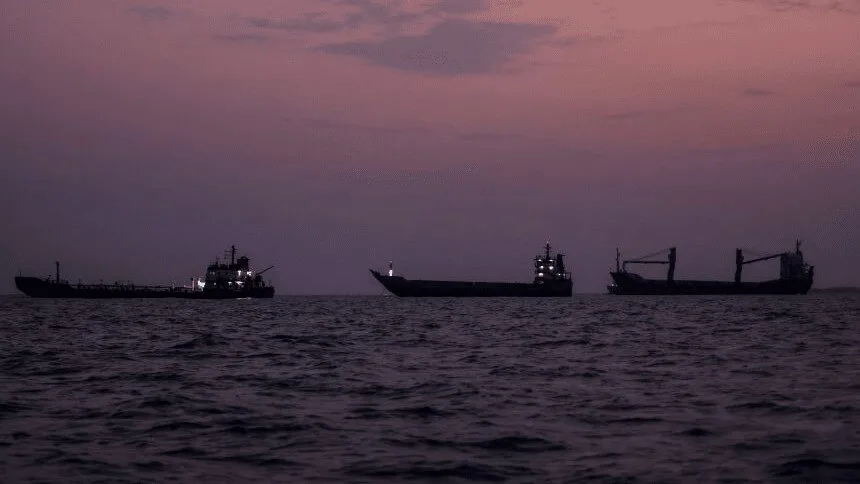
The aircraft carrier 'USS George H.W. Bush' (USS George H.W. Bush), which has been stationed in the Middle East since April, along with the guided missile destroyer 'USS Delbert D.' (USS Delbert D.) that has been present in the region since the beginning of this year, have moved towards Thailand. These changes in the American fleet in the Middle East indicate new developments that may impact the security situation.
Remaining American Ships in the Middle East
Currently, the only remaining American aircraft carrier in the Middle East is the 'USS George Washington', which is now in the Arabian Sea. This ship entered the region in August to replace the aircraft carrier 'USS Abraham Lincoln' (USS Abraham Lincoln), which is set to return to its home port in San Diego this week. With the departure of 'USS George H.W. Bush' and 'USS Delbert D.', the number of American military vessels in the Middle East has decreased to about 17 vessels.
Read more: Hamas announced three key axes for a national agreement for Palestine
Consequences of the Departure of the Ships
This reduction in the number of military vessels can be interpreted as a strategic shift in the military policies of the United States in the region. Over the past eight months, the number of American vessels in the Middle East has been continuously changing, and now with this departure, military and political officials in the area will carefully analyze the new situation. These developments could significantly impact international relations and the security situation in the Middle East.
While the aircraft carrier 'USS George Washington' remains in the region, concerns about military and security activities continue. This aircraft carrier, with its high capabilities, can play a key role in maintaining the balance of power in this sensitive region, which is affected by political and military tensions.
Read more: The US approved nearly $3 billion in arms sales to the UAE, Kuwait, and Saudi Arabia · Eisenkot acknowledged the great power of Iran