The regional meeting regarding the Strait of Hormuz, one of the sensitive and key issues in Middle Eastern diplomacy, has been postponed as announced by the Foreign Minister of Oman. This decision comes at a time when tensions in this strategic waterway have reached their peak, raising significant concerns among regional and extra-regional countries.
Impacts of the Meeting Postponement
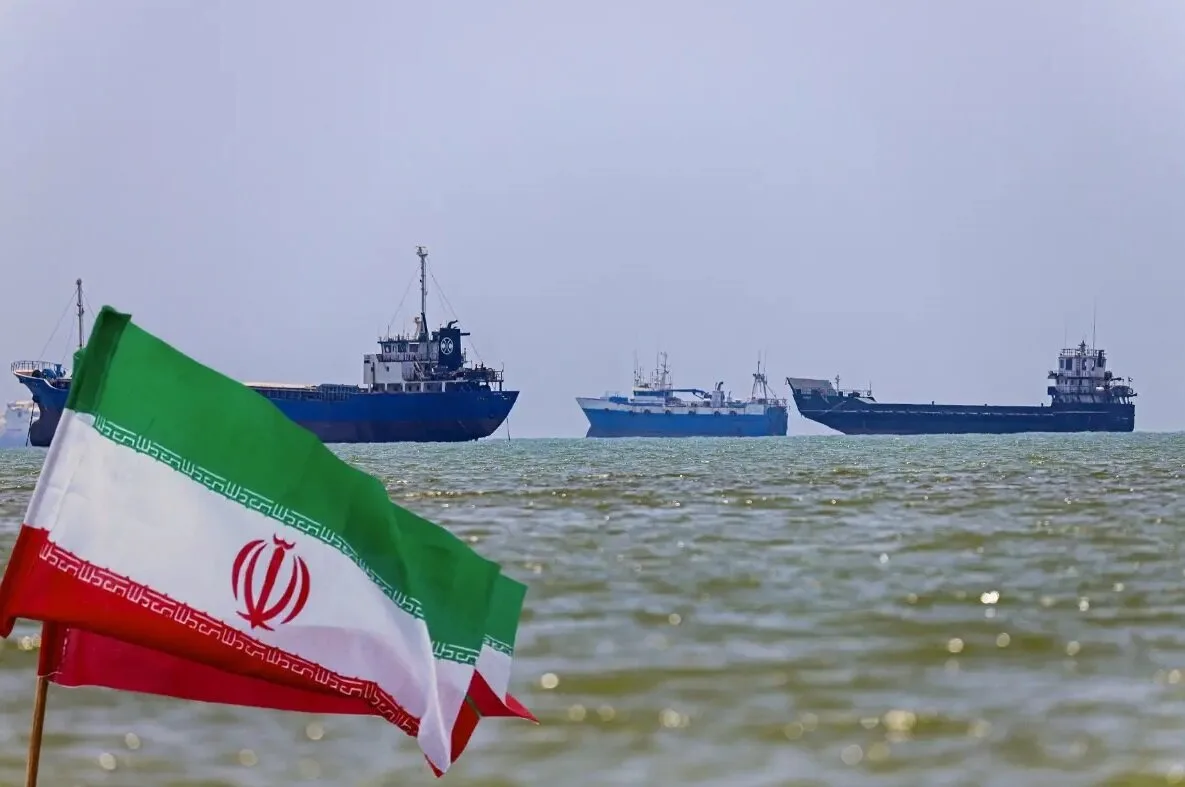
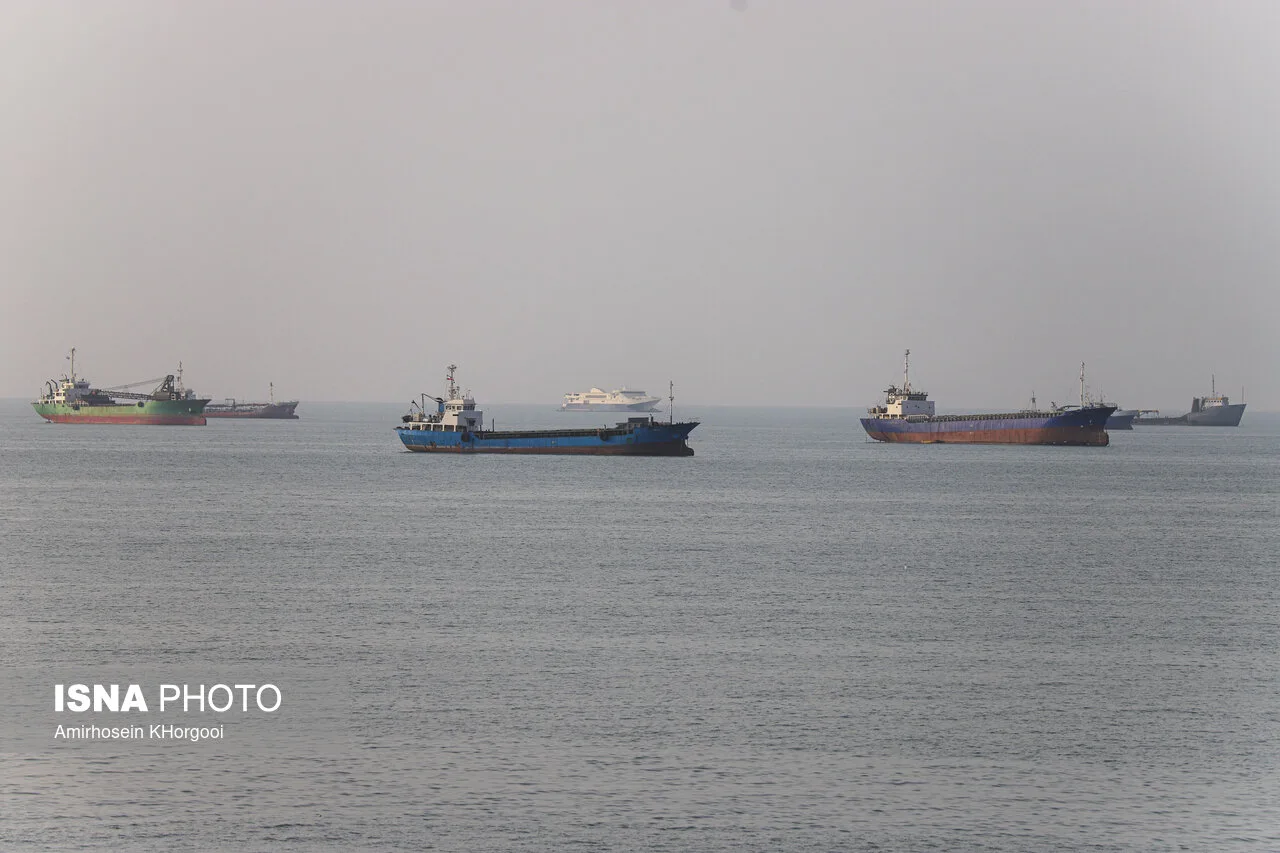
The Strait of Hormuz, as one of the most important maritime passages in the world, accounts for about one-fifth of the world's total oil transit. Any disruption in this waterway could have profound economic and political impacts. With the postponement of this meeting, important discussions that could have led to a reduction in tensions and the establishment of joint cooperation are likely to be delayed.
The Foreign Minister of Oman, in his statements regarding this matter, referred to the current conditions of regional crises and stated that this decision was made due to the need for greater coordination among the concerned countries. He emphasized the importance of holding this meeting in the future and expressed hope that with the removal of obstacles, the meeting would be held soon.
Future Outlook
Analysts believe that the postponement of this meeting could lead to increased tensions in the region, especially as some countries seek to exert more pressure on each other. This situation may not benefit any of the parties, and the continuation of this trend could result in new and unpredictable crises.
Ultimately, we must wait and see whether this postponement will provide an opportunity for further negotiations and dialogues or, conversely, exacerbate tensions in this sensitive region.