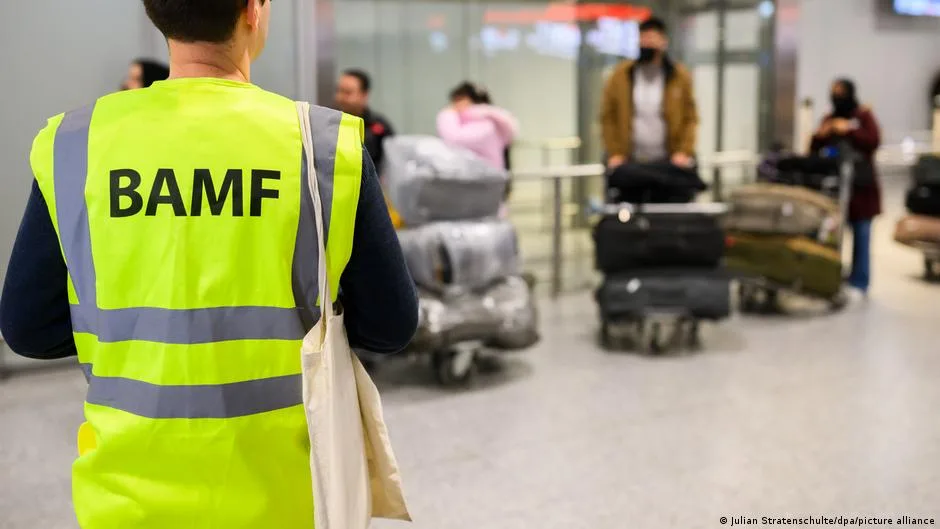
Germany, a country recognized as one of the main destinations for asylum seekers in Europe, has recently faced changes in its asylum process. According to published statistics, the number of asylum applications in this country has significantly decreased. However, it is noteworthy that at the same time, the success rate in receiving support for asylum seekers, especially among Afghan nationals, has dramatically increased.
New Developments in Asylum Policies
Germany has faced multiple challenges in the field of asylum, and these changes may indicate a shift in the public and social policies of this country. The decrease in applications may be due to factors such as new strictness in asylum laws or changes in the conditions of the asylum seekers' countries of origin. Nevertheless, the increase in support rates reflects Germany's commitment to helping individuals who are in critical situations.
In particular, Afghan nationals who migrate to Germany due to the dire security and economic situation in their country have received more support. This can be seen as a positive step towards respecting human rights and assisting individuals whose lives are in danger.
The Future Outlook of Asylum in Germany
Given these developments, Germany may move towards further reforms in its asylum policies in the near future. There are many questions in this regard: Will this decrease in applications continue? And can Germany remain a safe haven for individuals seeking a better life? Considering the global situation, answering these questions is of great importance.
Ultimately, what is important in this context is that Germany, as a country welcoming migrants, is always striving to address new challenges and respond to the needs of asylum seekers. This situation not only affects the lives of asylum seekers but also reflects the social and humanitarian policies of this country on the international stage.