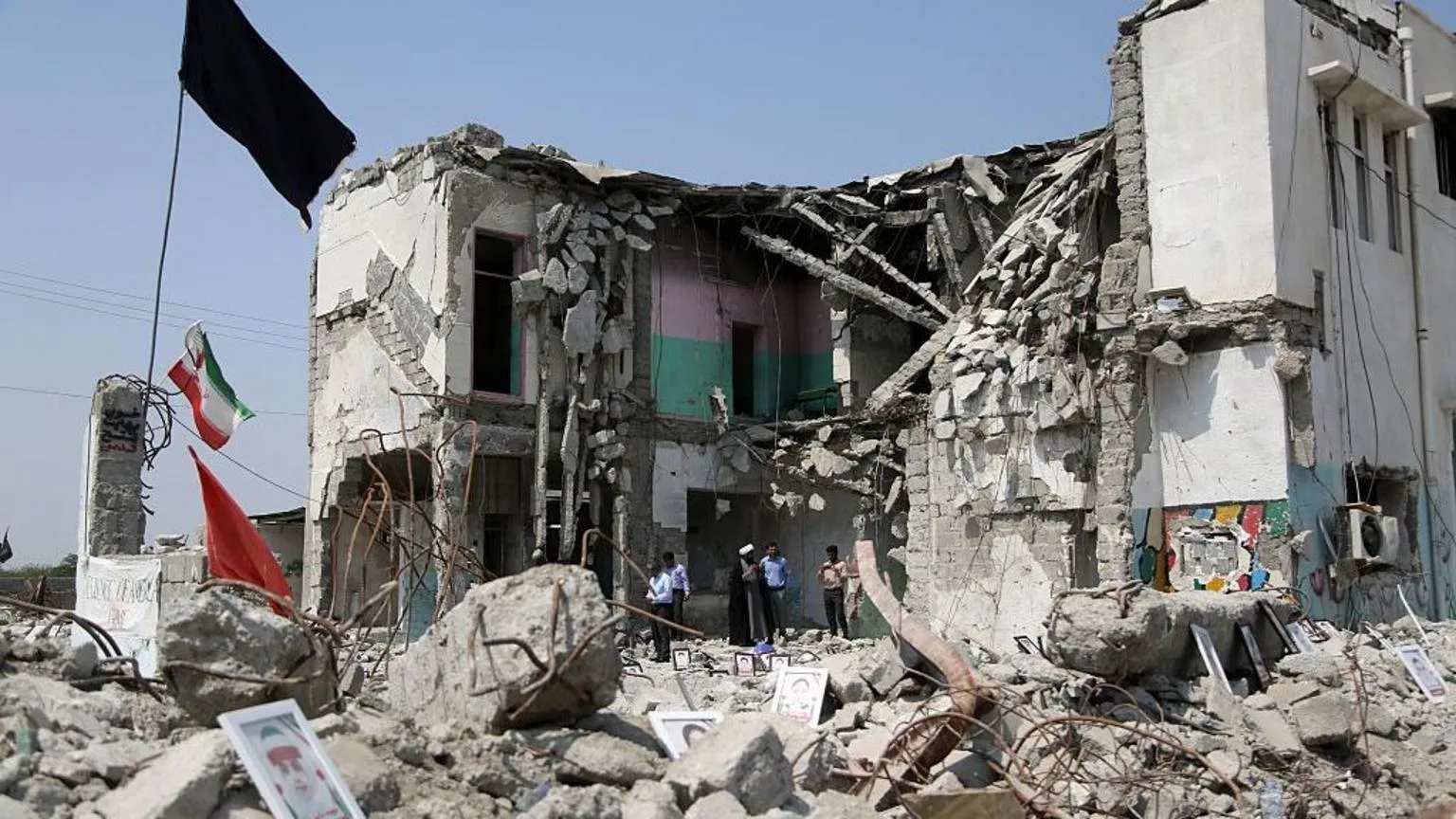
The Iran war incurs numerous costs that are not limited to military expenses and rising oil prices. Bloomberg has reported on the deadly attack on February 28 at the "Shajareh Tayebeh" elementary school in Minab; an attack that resulted in the deaths of about 120 children and nearly 200 people in total, making it one of the deadliest cases of civilian casualties in U.S. military operations in recent decades.
The Bitter Story of the Minab School
According to Bloomberg's findings, the U.S. had listed this location as a potential target years ago, identifying it as a facility of the Islamic Revolutionary Guard Corps Navy. However, an intelligence analyst noticed the change of use of this site to an elementary school in 2019 and had recorded this information in a digital information system. This system was not connected to the official database used for compiling and updating military targets. As a result, the analyst's warning never reached the commanders responsible for the operation, and the building continued to be assessed based on outdated information in subsequent reviews.
Read more: The "My Life for Iran" Exercise and Its Strategic Messages in Tehran
This issue has now become one of the focal points of the Pentagon's investigation into the attack. An independent United Nations fact-finding mission has recently stated that there are reasonable grounds to believe that this attack could constitute a war crime. Meanwhile, the White House has rejected this assessment, and the Pentagon states that its investigation into this incident is still ongoing.
Military Casualty Statistics and Economic Consequences
The Washington Post has reported that the number of American military personnel killed in the Middle East since the start of the war with Iran exceeds the figures recorded in the official casualty database of the U.S. Department of Defense. Five American officials told the newspaper that at least 22 American soldiers have died; a number greater than what is recorded in the official Pentagon system. The number of injured has also increased, with the latest statistics showing that over 830 American soldiers have been wounded.
Meanwhile, CNN has reported on the escalating costs of the war with Iran, stating that these costs have reached at least $43.6 billion. A significant portion of this expense is related to the extensive use of munitions and missile defense systems. Additionally, the expansion of conflicts into Yemen and concerns about the security of Bab-el-Mandeb have placed further pressure on the global energy market.
The rise in oil and gasoline prices has been the most tangible economic consequence of the Iran war. The average price of diesel fuel in the U.S. has reached about $6.44 per gallon, and gasoline prices have also significantly increased. This situation has directly impacted the daily lives of people and various industries.
Given these developments, the global economy appears more vulnerable than ever to the consequences of the Iran war. From disruptions in the transfer of energy and raw materials from the Persian Gulf to rising prices, all are signs of the widespread repercussions of this war that are not limited to a specific region.
Read more: The temporary Friday prayer leader of Birjand: People should not have to wait hours in gasoline lines · The Islamic Society of Managers deemed Iran's exit from the NPT necessary