The Gulf countries are in a critical situation with increasing concerns about the possibility of a more devastating war with Iran. These concerns stem from Iran's readiness to respond to any new attacks from the U.S. and Israel, which could have dire consequences for the region.
Diplomatic Efforts to Prevent War
In light of these circumstances, Gulf countries are significantly strengthening their diplomatic efforts. Senior officials from Saudi Arabia, Turkey, and Pakistan have traveled to Tehran, and Qatari mediators have also conducted negotiations in Tehran and Doha with Iranian officials. Anwar Gargash, the diplomatic advisor to the President of the United Arab Emirates, emphasized at the Manama dialogue that these countries are seeking a political way to prevent the escalation of the crisis.
Read more: Saudi airstrikes on Ras Isa port and Hodeidah oil refinery leave 7 injured
Threats and Iran's Readiness
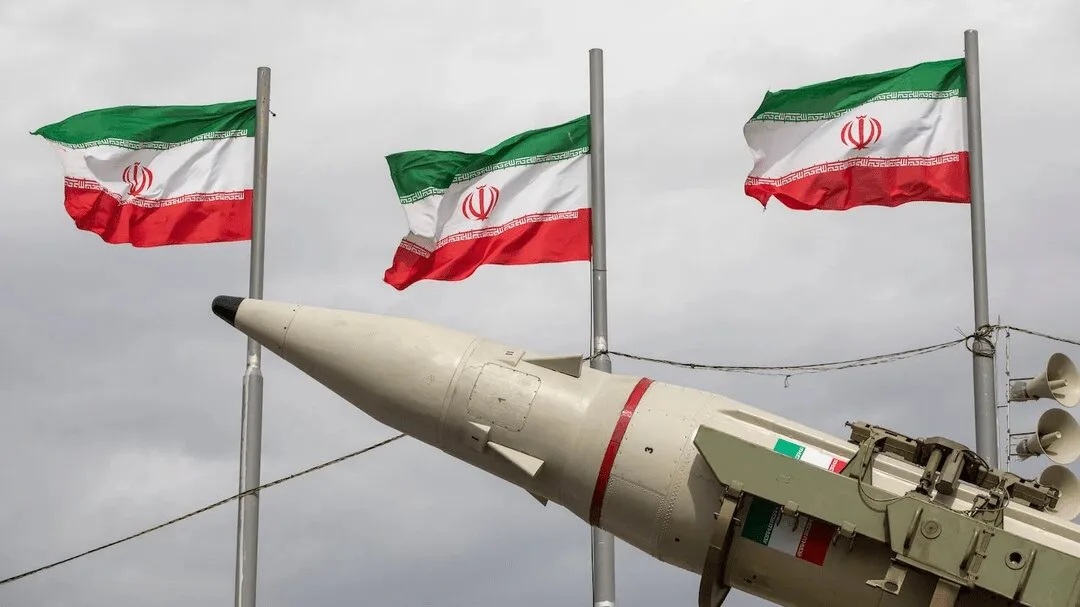
Ayatollah Seyyed Mojtaba Khamenei, the Supreme Leader of the Islamic Revolution, has explicitly stated that if enemies resume military attacks, the armed forces of the Islamic Republic will respond decisively. According to experts, Iran is on standby to respond to any threats with significant stockpiles of ballistic missiles and the capability to produce weapons. Reports indicate that Iran has fired thousands of missiles and drones at U.S. bases and Gulf countries since the onset of the conflicts.
Security experts believe that a new round of conflicts is approaching, and Iran, by adopting more complex military strategies, may violate previous rules of engagement. Mohammed Al-Basha, an international security researcher, also pointed out that most people and officials in Gulf countries do not support new attacks at all, but feel that new conflicts are imminent.
Economic Impacts of War on Gulf Countries
Economic reports also indicate that the continuation of conflicts will have negative impacts on the economies of Gulf countries. The International Monetary Fund has predicted that Saudi Arabia's economy will shrink by 3.3 percent this year, and the economic contraction in Kuwait and Qatar will be even more severe. This situation has clearly increased the dissatisfaction of Gulf countries with the costs of war and has directed them towards strengthening their air defense and other weaponry.
In this critical environment, Jassim Al-Budaiwi, the Secretary-General of the Gulf Cooperation Council, stated at the Manama meeting that the member countries of this council are not seeking conflict and were in no way parties to the war. However, they are suffering from the problems arising from this situation and have expressed their dissatisfaction with the ineffectiveness of U.S. military and diplomatic efforts.
Despite diplomatic efforts and increasing concerns, fundamental disagreements between Iran and the U.S. remain unresolved. Iran is demanding the lifting of the maritime blockade and a reduction in sanctions, while Washington is seeking nuclear concessions from Tehran. For this reason, the future of these tensions remains uncertain and concerning.
Read more: The possibility of the dismissal of Yaron Zelekha and preventing Benjamin Netanyahu's re-nomination · A 4.5 magnitude earthquake shook Bushehr