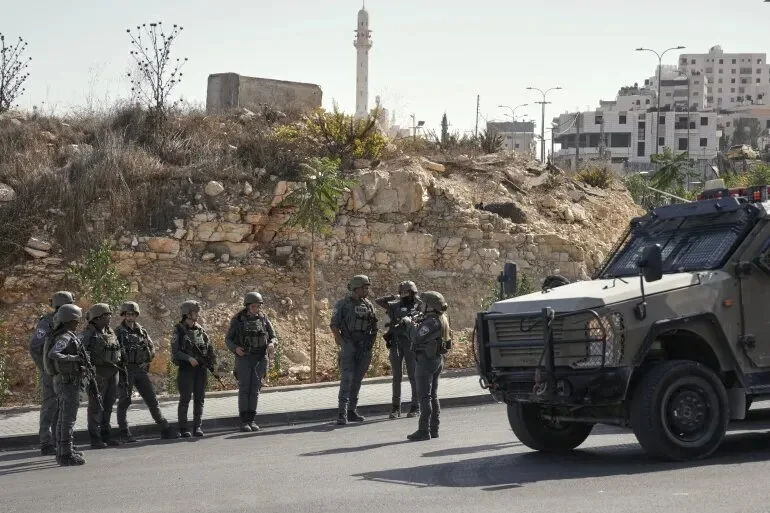
The West Bank has been closed due to resistance operations in Hebron and the killing of two Israeli soldiers. The occupying regime's army has immediately imposed widespread restrictions in this area and banned workers from entering the West Bank. This situation has arisen concurrently with the parliamentary elections in Israel, raising concerns among Palestinians.
Response to Resistance Operations and Its Consequences
The resistance operations in Hebron, which resulted in the deaths of two Israeli soldiers, have provoked a strong reaction from the Israeli army. These responses include closing all entrances to the West Bank and preventing workers from entering the area. These measures are aimed at controlling the situation and preventing any protests or further tensions ahead of the Israeli parliamentary elections.
Read more: Sudan's Sovereign Council Chairman Wrote to Trump About the Ceasefire
Continuing Forced Displacement of Palestinians
Alongside these conditions, hundreds of Palestinian families are facing forced displacement. This displacement is due to military pressures and ongoing threats from the occupying forces. This situation has led to increased tensions and public dissatisfaction among Palestinians. Some human rights groups have warned about the humanitarian consequences of these actions and have called for an immediate halt to these policies.
The parliamentary elections in Israel are set to take place under conditions where many Palestinians are under severe pressure and restrictions. This will not only affect the electoral process but may also impact the chances of Palestinian success and participation in this process. Many analysts believe that these closed and restrictive policies will exacerbate the ongoing crisis and tensions in the region.
Read more: Mass protests in Tel Aviv against Netanyahu's cabinet · Reflection of the bulletproof page on Donald Trump's eyes in North Carolina