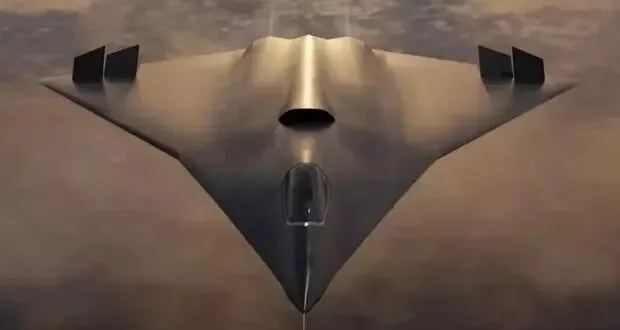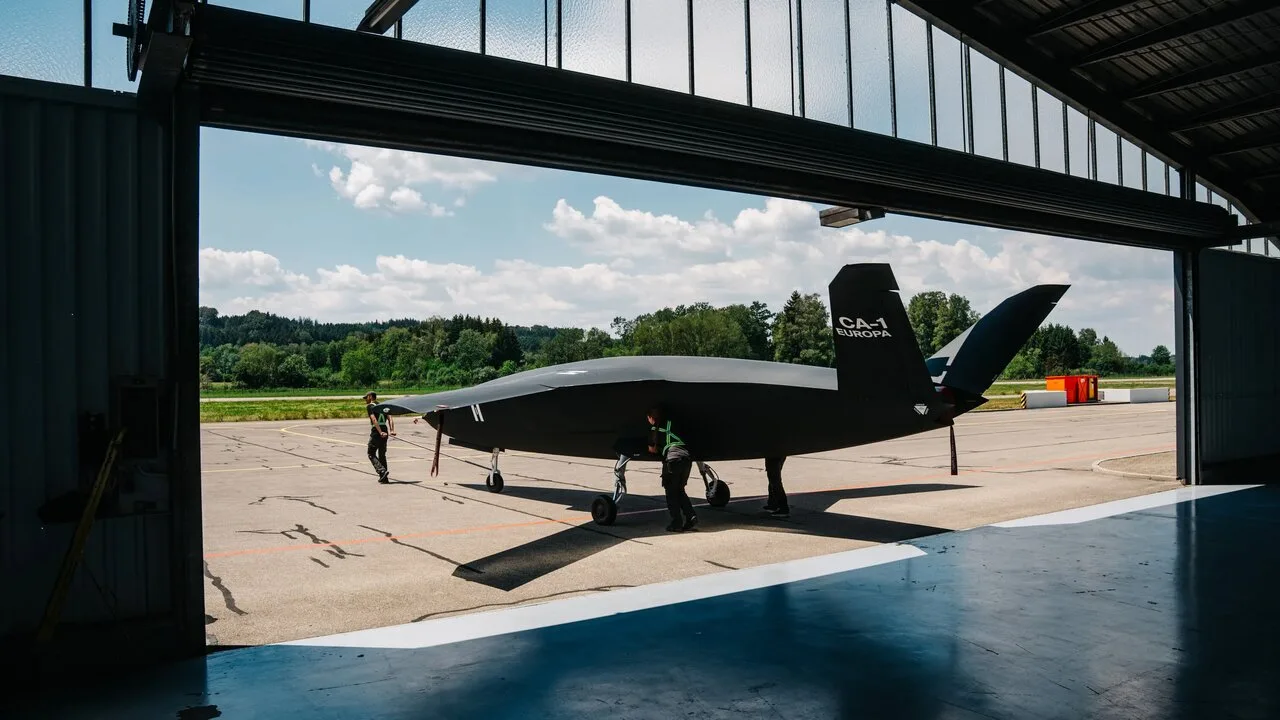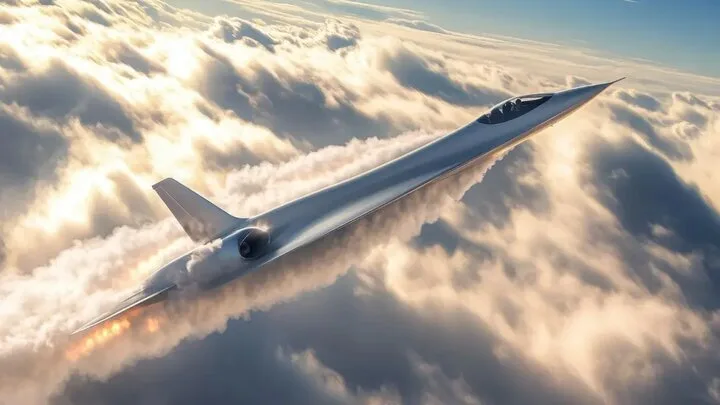
China's supersonic TMS-10 aircraft, recognized as an innovation in the aviation industry, has reached the final assembly stage and is ready to commence its test flight by the end of 2026. This aircraft is specifically designed to test technologies that could aid in the development of a new generation of quieter and more practical supersonic passenger aircraft.
Advanced Development and Design
The TMS-10 aircraft has been developed by the Tianmushan Laboratory, a research institute supported by Beihang University. This laboratory has achieved significant advancements in aviation through various experiments, including flight control design and aircraft structure construction. The aerodynamic design of this aircraft allows for cruising speeds of up to Mach 2 while also supporting subsonic flight at approximately Mach 0.95.
Read more: NVIDIA and Google's Collaboration to Improve Power Supply for Artificial Intelligence
Potential Benefits of Supersonic Flights
If this technology proves successful, it could dramatically accelerate travel between major cities in China. For example, the journey between Beijing and Shanghai, which currently takes about 2 hours, would be reduced to approximately 30 minutes with this aircraft. The TMS-10 project focuses on a supersonic commercial aircraft designed for 10 to 15 passengers, intended for high-end business and tourism travel. This innovation could bring a significant transformation to the air transport industry and provide a new travel experience for passengers.
The Chinese development team plans to achieve sustained supersonic flight by breaking the sound barrier in the next phase. These flights will help evaluate the performance of the aerodynamic configuration, flight control system, and the integration between the aircraft's aerodynamics and propulsion system. The aircraft's three-level configuration includes a forward-facing nose and a T-shaped tail, designed as a tool to minimize the impact of shock waves.
Challenges and Upcoming Stages
However, flying a passenger aircraft at Mach 2 is significantly more complex than supersonic flight with a fighter jet or small experimental aircraft. A commercial aircraft must combine high-speed aerodynamics with structural durability, thermal management, passenger comfort, and manageable operational costs. Additionally, propulsion is one of the major challenges in this project. Researchers are working on developing the engine core, air intake, and exhaust system as key areas of focus.
Therefore, transitioning from the current demonstrator to a passenger aircraft requires additional steps. These steps include designing a larger prototype with low sonic boom, conducting further flight tests, and validating critical structural components. While China is in the pre-research and technology validation phase, NASA's X-59 has taken a different approach, focusing on reducing the loudness of the sonic boom.
Read more: National AI Development Law; A Leap Towards a New Future · Seyyed Abbas Araghchi Emphasized the Importance of Strategic Partnership Between Iran and China