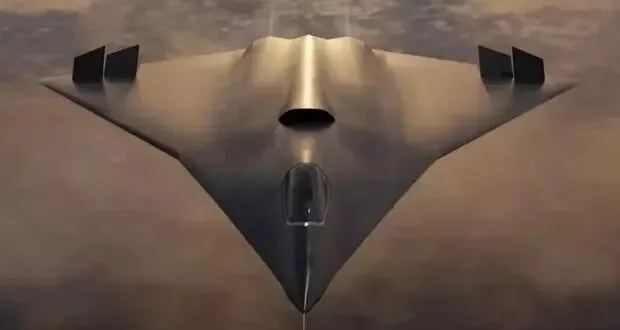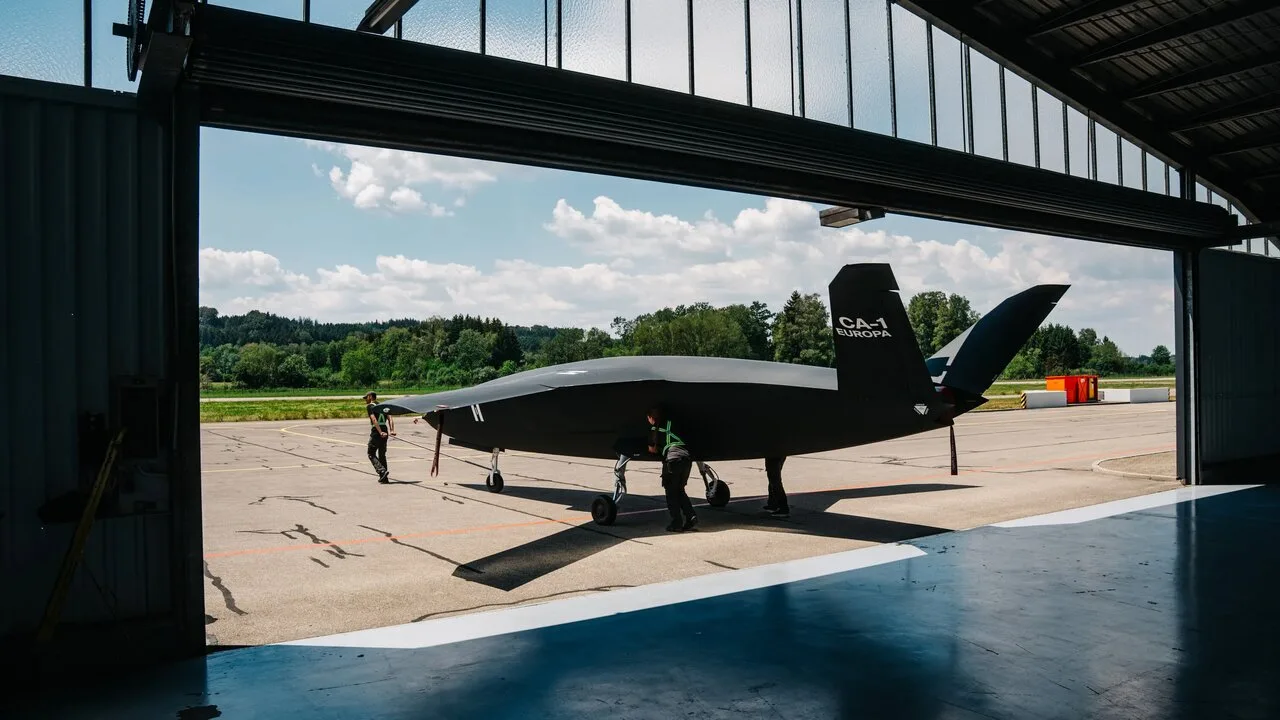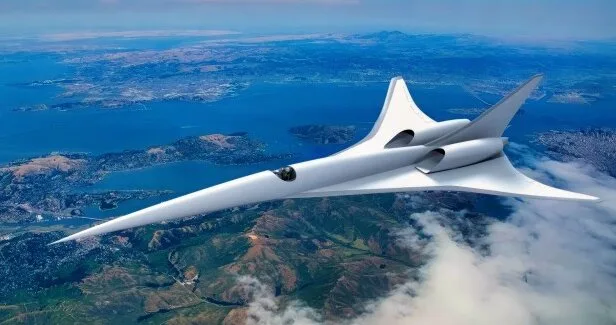
China has entered a new phase in the aviation industry with the design and construction of the supersonic TMS-10 aircraft. Currently in the final assembly stage, this aircraft is expected to conduct its first test flight by the end of 2026. The goal of this aircraft's design is to reduce flight time between Beijing and Shanghai from about two hours to 30 minutes.
Development of Supersonic Technology
The TMS-10 is designed as a small commercial aircraft with a capacity of 10 to 15 passengers, aiming for a cruise speed of around Mach 2, which is nearly twice the speed of sound and about 2100 kilometers per hour. This flight could bring a significant transformation to air travel and provide a new experience for passengers.
This aircraft, as a research project, seeks to address one of the biggest challenges of supersonic flights, namely the intense noise produced by breaking the sound barrier. China has attempted to reduce the intensity of this sound with the unique design of the TMS-10's body and wings. Designers have managed the shock waves created by breaking the sound barrier using small canards at the front of the aircraft and a T-shaped tail.
Competition with Global Projects
Experts consider the TMS-10 a serious competitor to NASA's X-59 aircraft, which aims to reintroduce supersonic flights with less noise. While the X-59 has begun its test flights, the TMS-10 is still on the verge of its first flight test. This timing difference highlights the challenges facing Chinese engineers in completing the engine core, air intake systems, and engine exhaust.
Chinese engineers must conduct more tests before the TMS-10 can become a true passenger aircraft. Therefore, at present, the TMS-10 is primarily recognized as a showcase of technology and innovation in the aviation industry. However, if this technology is applied in larger models, it could revolutionize air travel and enable passengers to cover long distances in much shorter times.
Ultimately, given China's recent advancements and ongoing efforts in this field, it remains to be seen whether the TMS-10 will become a reality and how it could impact the future of air travel.