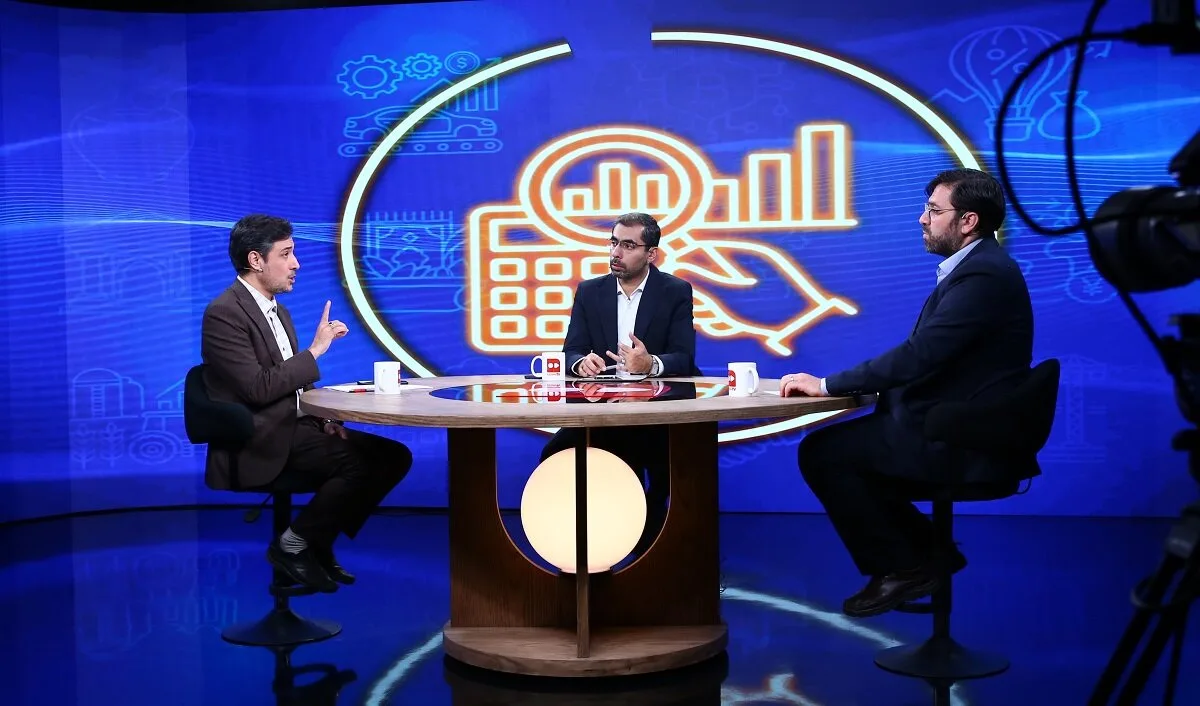
Farshid Ilati, a housing expert, discussed the challenges of the tax on vacant houses in the economic roundtable of the program "Dast-be-Naghd" and said: "The tax system collects a large portion of taxes from the productive sectors of the economy, producers, and workers, while unproductive activities contribute less to tax payments."
Poor Performance of the Vacant House Tax Law
Ilati pointed to the vacant house tax law, which has been in effect for about ٤ to ٥ years, and added: "This law has generated less than ٣٠ billion tomans in total revenue, and the figure of ٧٧٠ million tomans in the first five months of this year also indicates that this tax base has not yet been effectively implemented."
Read more: Ebrahimi: Better supervision existed, we had ١٠٠ billion dollars of unreturned currency
Mehdi Mohammadi Beknazar, spokesperson for the Tax Affairs Organization, referred to the figure of ٧٧٠ million tomans in this program and said: "This figure pertains to the first five months of the year ١٤٠٥ and may not correspond to the tax demand notices of the same year." He continued: "The tax on vacant houses faces three fundamental problems: statistical, legal, and data-related."
Statistical and Informational Challenges
Mohammadi Beknazar explained that the statistic of ٢.٥ million vacant houses announced in the ١٣٩٥ census is from before the law was implemented, and not all of these units are subject to tax. He pointed out that according to Article ٥٤ of the Direct Tax Law, residential units located in cities with populations over ١٠٠,٠٠٠ are subject to the vacant house tax and it must be proven that a residential unit has been vacant for more than ١٢٠ days.
Abolfazl Norouzi, former director general of the Housing Economy Office of the Ministry of Roads and Urban Development, referred to the advancements of the National Real Estate and Housing System and said: "About ٧٥% of household heads have self-reported in this system, but the ownership information of all properties is still incomplete, and about ٤٠% of the country's properties do not have complete registration information."
Norouzi continued: "From ١٤٠٠ to ١٤٠٣, information on ٢٦٤,٠٠٠ vacant houses has been sent to the Tax Affairs Organization, with their ownership clearly identified."
Ilati concluded: "There are about ٣.٥ million residential units against ٢.٧ million households in the country, and the nearly ٥ million unit discrepancy could include second homes, vacant houses, or units with unclear status." He emphasized that to make the tax effective on the housing market, completing the informational infrastructure and determining deterrent rates is essential.
Read more: Prices of Peugeot ٢٠٧, Tara, Rana, and Suren in today's market · Ambiguity in transferring gasoline quotas to bank cards in the seventh development plan