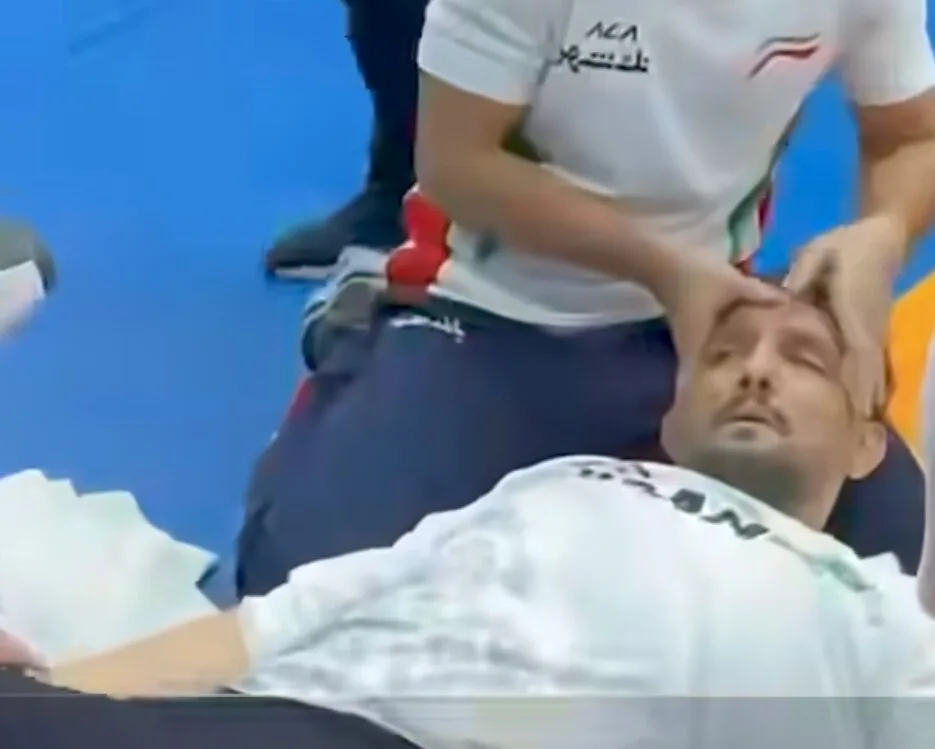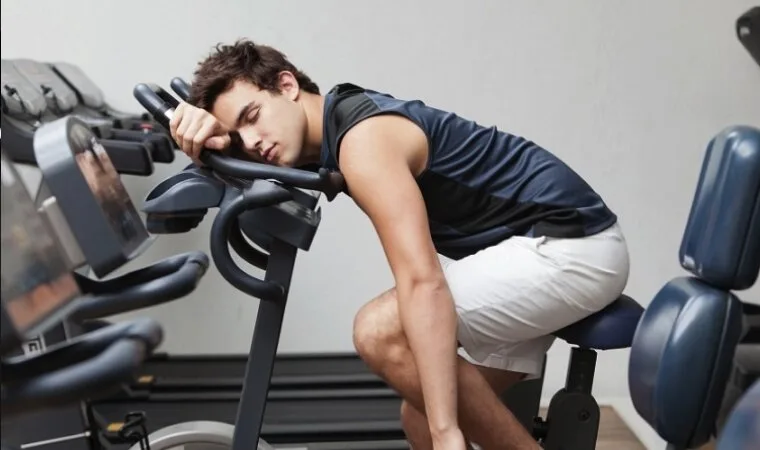
Recovery after exercise is one of the aspects that athletes and fitness enthusiasts should pay attention to. The feeling of fatigue, heaviness in the legs, or decreased energy after a tough workout is familiar to many. Some fatigue after exercise is normal, but its intensity depends on the type of workout, duration, intensity of activity, and the body's preparedness. Fortunately, by following nutritional tips, staying hydrated, getting enough sleep, and resting, one can aid better recovery.
The Difference Between Feeling Fatigue and Muscle Performance Decline
Sports fatigue does not just mean feeling sleepy or lethargic. Scientists distinguish between "feeling fatigued" and the actual decline in muscle performance. A person may feel completely exhausted while their muscles still have the capacity to perform, or vice versa. This condition is also different from "delayed onset muscle soreness" or DOMS, which is the pain and stiffness in muscles that typically occurs after new or unfamiliar workouts.
Read more: Yahya Golmohammadi Still Coach of Duhok Iraq; Uncertain Future in the Iranian National Team
The Role of Nutrition and Rest in Recovery
During exercise, changes occur in the substances and ions needed for muscle contraction, which can temporarily reduce the muscle's ability to generate force. Additionally, the nervous system plays a crucial role. The brain and spinal cord send contraction signals to the muscles, and intense training can temporarily reduce the nervous system's ability to fully activate the muscles.
After a long or heavy workout, consuming carbohydrates helps replenish muscle energy stores. Protein also provides the amino acids necessary for repairing and adapting the body to exercise; however, protein supplements are not an instant remedy for fatigue and muscle pain. Rehydration is also important. For most short workouts, water is sufficient; however, after prolonged and intense exercise or excessive sweating, especially in hot weather, replacing electrolytes may also be beneficial.
Getting enough sleep is another cornerstone of recovery. Some studies on athletes have shown that increasing the duration of nighttime sleep or napping can improve certain aspects of physical and mental performance. Gentle walking, yoga, massage, and immersion in water have also been explored as recovery methods. In a review including 99 studies, several methods were found to reduce muscle soreness, with massage showing one of the strongest effects on the feeling of fatigue.
The important point is that greater fatigue does not mean better training. Fatigue should correspond with the intensity of activity and should improve with rest and recovery. If fatigue after exercise is unusual and severe, does not improve with rest, or is accompanied by symptoms such as chest pain, fainting, or unusual shortness of breath, it is essential to consult a doctor.
Read more: Mehdi Taremi Facilitated the Release of 8 Needy Prisoners · Ghalibaf: The Success of the 'Angels of Minab' Caravan is a Symbol of the Valor of Iran's Children