Benjamin Netanyahu, the Prime Minister of the Israeli regime, began his speech at the United Nations General Assembly on Thursday night. However, to his surprise, many delegations left the hall as soon as he started speaking. This action by the representatives was a reaction to Israel's policies and Netanyahu's positions, which have been heavily criticized in recent years.
Empty Speech and Diplomatic Challenges
While Netanyahu was speaking, the hall quickly emptied, and ultimately he addressed a small audience. He said to the representatives who remained in the hall, "If there are more cowards who have not yet left the hall, I ask them to leave now." This statement clearly reflects his disappointment with the international negative reactions to Israel's policies and the growing global criticism of the country's behavior.
Read more: Benjamin Netanyahu and Sara left after the controversial speech in New York
U.S. Ambassador's Reaction and Comparison with Mohammad Reza Madani's Speech
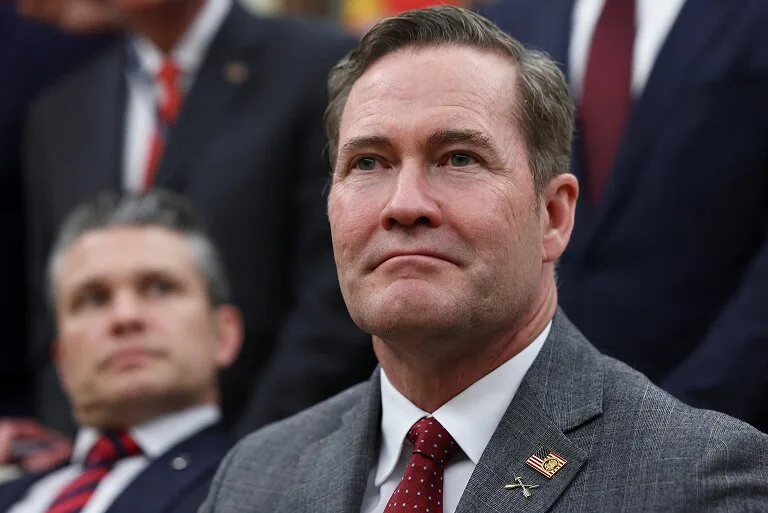
Meanwhile, the U.S. Ambassador to the United Nations, who was recently appointed, referenced the representatives leaving the hall in a message on social media platform X, stating: "It is unfortunate that all these UN ambassadors left the Israeli speech. The number of those who left the Iranian speech was not this high." These remarks indicate the U.S. diplomatic efforts to maintain its relations with Iran and also emphasize the existing challenges in global diplomacy.
Netanyahu's speech has faced significant criticism not only at the United Nations General Assembly but also internationally. These criticisms particularly focus on Israel's policies towards the Palestinians and human rights violations in the occupied territories. These issues have become a serious challenge, especially in the United Nations General Assembly, which serves as a platform for expressing global viewpoints.
Political and Social Implications
The departure of representatives from the hall and the diplomatic reactions to Netanyahu's speech indicate significant changes in the world of international politics and how countries interact with one another. These developments could have serious implications for Israel's future and its relations with other countries. Many analysts believe that such reactions could lead to increased tensions and diplomatic crises.
Ultimately, this event not only reflects the existing challenges in Israel's policies but also highlights the deep divides in the global community and how sensitive political and social issues are addressed. It seems that the time for a shift in global attitudes and approaches has arrived.
Read more: Kiril Dmitriev's negotiation with Steve Witkoff and Jared Kushner in New York · Mike Waltz criticized the delegations' indifference to Netanyahu's speech