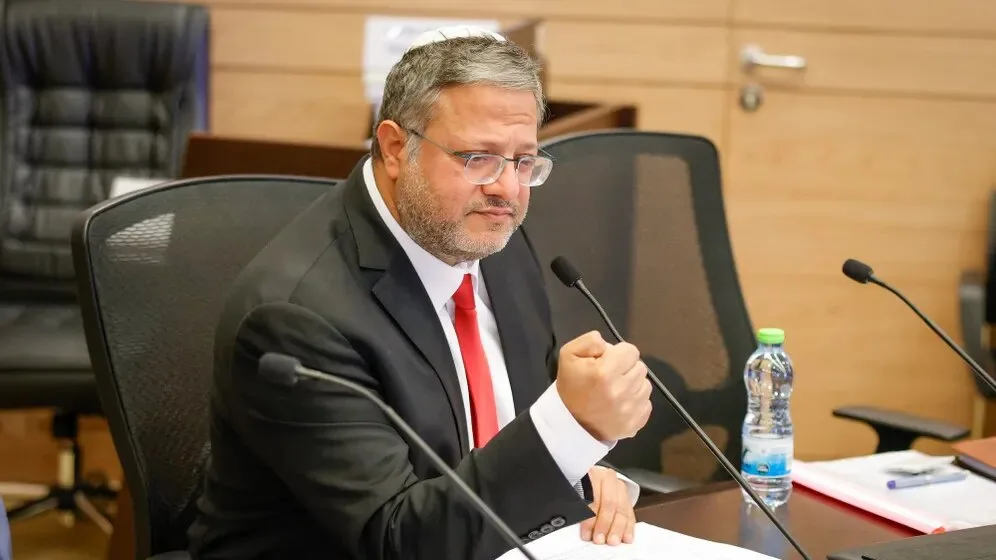
Ben-Gvir, the Minister of Internal Security of the Israeli regime, has called for the Defense Ministry in order to join the upcoming cabinet of this regime. His request not only reflects his political ambitions but has significantly increased internal tensions within Benjamin Netanyahu's camp.
Internal Challenges in Netanyahu's Camp
Given that the upcoming cabinet of the Israeli regime is under political and social pressures, Ben-Gvir's request as an extremist politician could lead to increased tensions and disputes within the party. Known for his hardline positions on security issues, he is now trying to gain more influence within the power structure of the Israeli regime. Meanwhile, Netanyahu and other cabinet members may oppose his requests, as some of them have concerns about the implications of this request on the cabinet's stability.
Political and Social Implications of Ben-Gvir's Request
Ben-Gvir's request for the Defense Ministry could have profound implications for the security and military policies of the Israeli regime. This request comes at a time when tensions between Palestinians and Israelis are rising, and any change in the leadership of the Defense Ministry could lead to new fluctuations in this crisis. Moreover, if Ben-Gvir achieves his goal, it may result in even stricter policies towards Palestinians, which could escalate tensions in the region.
On the other hand, Ben-Gvir is trying to strengthen his social base among his extremist supporters with this move. He wants to demonstrate that he has a role in the regime's key decisions and can somehow influence future trends and policies. This is while he faces significant criticism from his opponents, who accuse him of extremism and threatening peace in the region.
Ultimately, Ben-Gvir's request for the Defense Ministry in the upcoming Israeli regime cabinet will not only fuel internal tensions within Netanyahu's camp but could also have serious implications for the regime's security and military policies. In this context, Ben-Gvir's political future and its impacts on the region remain shrouded in uncertainty.