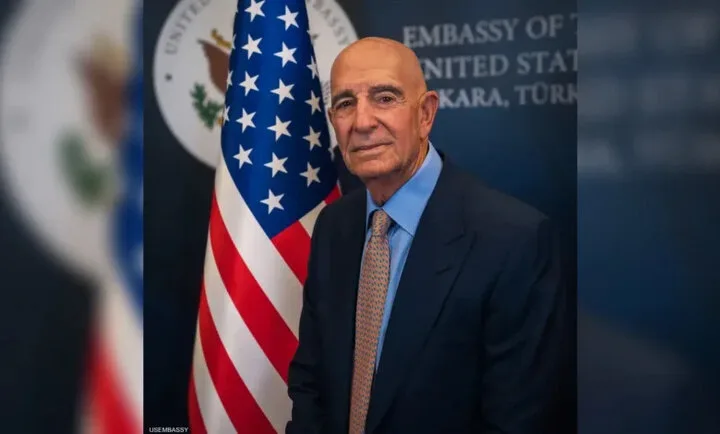
Barak said in an interview with CNN: "I think in the next two weeks, we may witness significant steps that everyone will say: let's reduce the intensity of tensions." These remarks come as tensions in the region have sharply increased, and the need for a pause is felt more than ever.
Qatar's Proposal to Iran
Barak added that "I think we are very close to a point where we can say: let's create a pause." He also noted that this issue "depends on trust and who takes the first step." Qatar, which plays a mediating role in this dispute, has presented a seven-day proposal to Iran, and Tehran is currently "considering" it.
Details of the Proposal and Ongoing Negotiations
Reuters reported, citing a knowledgeable source from the negotiations, that the proposal offered by Qatar considers a seven-day timeframe to address the concerns of Tehran and Washington. According to this report, this timeframe could begin early next week, and several countries will act as guarantors of this agreement.
Barak also emphasized that U.S. foreign policy in the Middle East has changed. He said: "Washington will no longer act as the sole guarantor of security in this region." He clarified that the U.S. will not leave the Middle East and will not leave a security vacuum.
Ongoing U.S. Presence in the Middle East
Barak continued: "We are here and we are not going anywhere." These remarks reflect the U.S. determination to remain in the Middle East and maintain balance in the region. As tensions rise, this could serve as a factor for reducing tensions and creating space for new dialogues and negotiations.
Overall, Qatar's proposal and Iran's response to it could be seen as a turning point in international and regional relations. These negotiations could lead to a reduction in tensions and an improvement in security conditions in the Middle East.