Bahrain has recently announced that it will not participate in upcoming meetings between Iran and Arab countries. The Ministry of Foreign Affairs of this country clearly stated in an official statement that as long as diplomatic relations between Manama and Tehran are not resumed, it will not participate in any meetings attended by Iran.
A Decision with Far-Reaching Consequences
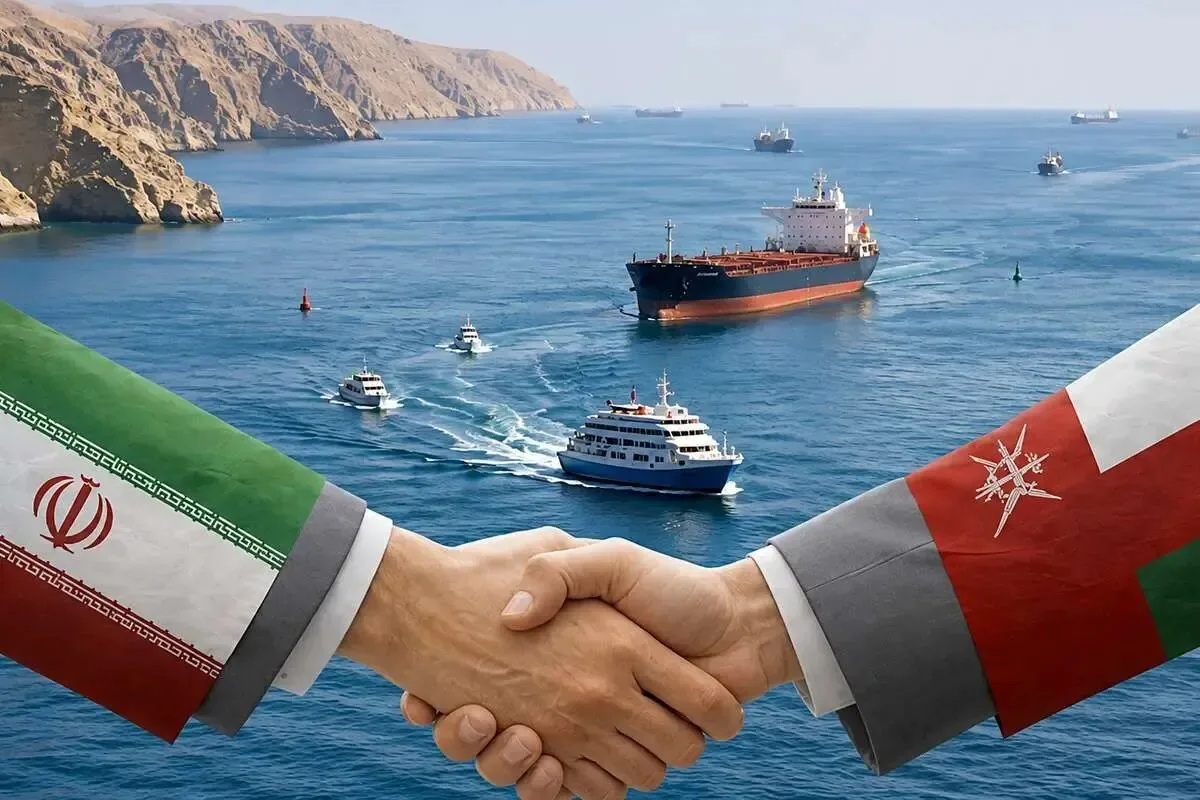
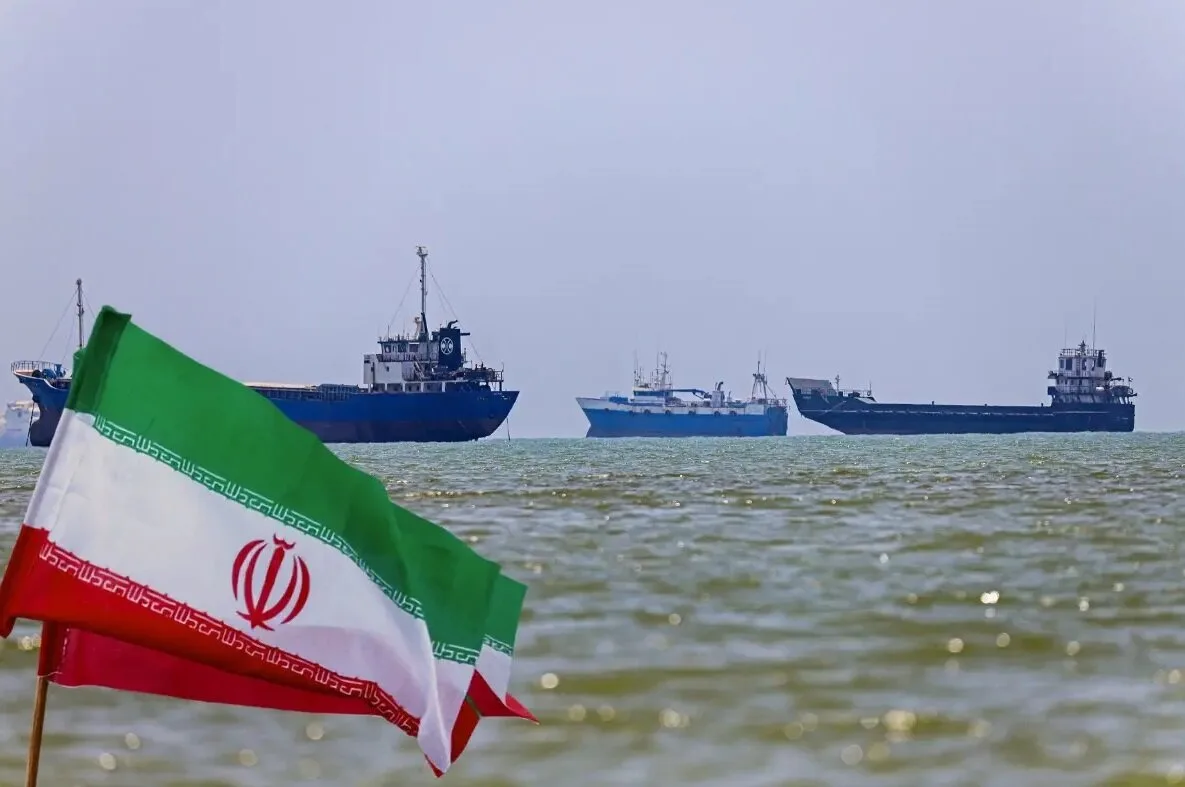
This action by Bahrain comes at a time when tensions between Iran and Arab countries, especially in the Persian Gulf, have sharply increased. Harsh comments and mutual criticisms between officials of the two countries in recent months have tightened the atmosphere for any cooperation and diplomatic interaction. Given the importance of the Strait of Hormuz as one of the vital arteries for energy transportation in the world, this decision by Bahrain could have significant consequences for the region and even global energy markets.
The Ministry of Foreign Affairs of Bahrain, in its statement, referred to security and political concerns and emphasized the need to maintain stability in the region. This clearly indicates Manama's firm stance against Tehran and its unwillingness to approach it under the current circumstances.
Iran's Response to Recent Developments
In response to Bahrain's decision, Iranian officials have repeatedly emphasized the need for dialogue and improving relations with neighbors. However, the current situation shows that both sides are firmly entrenched in their positions, and the likelihood of change in the near future seems low.
Ultimately, these developments will clearly impact the political and economic landscape of the region and highlight the need for diplomacy and dialogue amid existing tensions. Can Bahrain and Iran reach a mutual understanding and agreement, or will these tensions continue?