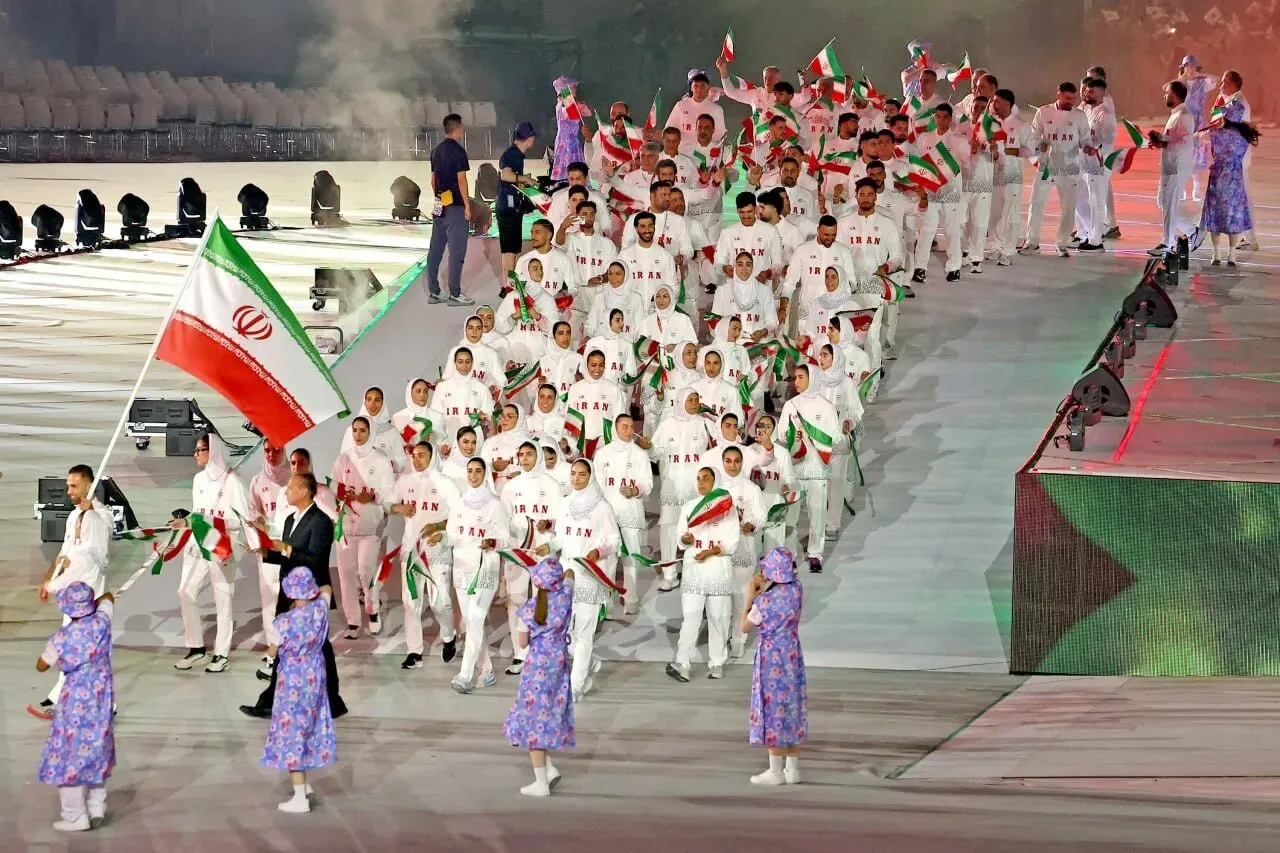
Alireza Hedayatpour, Deputy for Cultural Cooperation at the Public Diplomacy Center of the Ministry of Foreign Affairs and a member of the International Commission of the National Olympic Committee, has examined Iran's participation in the 20th Asian Games in Aichi-Nagoya in a note. He evaluates this presence as more than just a sporting event and believes that this event can serve as a capacity to enhance public diplomacy and present a positive image of Iran on the international stage.
Sport: A Tool for Establishing Communication
Hedayatpour explains that sport, as a universal language, can be a bridge between nations. He points out that considering the cultural diversity and various nationalities present at these games, there is a suitable opportunity for interaction with different countries. These interactions can help improve Iran's diplomatic and cultural relations with other countries.
Read more: Philippine Football Federation Cancels Trip to Basra
Iran's Image on the Global Stage
This government official emphasizes that the Asian Games are an opportunity for Iran to showcase its capabilities. He believes that by presenting a positive and realistic image of Iran, it can help attract tourists, investors, and even strengthen political relations. According to Hedayatpour, Iran's sporting successes in these games can be highlighted as a strength in the country's public diplomacy.
Hedayatpour also points out the importance of attention to sports and cultural infrastructure, stating: "To take advantage of this capacity, we must provide the necessary infrastructure and offer our athletes suitable facilities and conditions so they can shine on international stages." He considers this a requirement for the success of Iran's public diplomacy on the global stage.
Consequences of Participation in the Asian Games
Iran's presence at the Aichi-Nagoya Asian Games is not only a sporting event but also an opportunity to expand Iran's cultural and social diplomacy. Hedayatpour states that this event can pave the way for strengthening cultural interactions between Iran and other countries, saying: "We must utilize this potential and focus on our strengths. In today's world, public and cultural diplomacy is of special importance, and we must take steps in this direction."
Ultimately, Alireza Hedayatpour emphasizes the importance of viewing sports as a diplomatic tool, saying: "If we can correctly utilize this opportunity, we can present a positive image of Iran and its rich culture to the world and help strengthen our relations with other countries." This perspective reflects a novel approach to public diplomacy in Iran that can have positive impacts on the country's international relations.