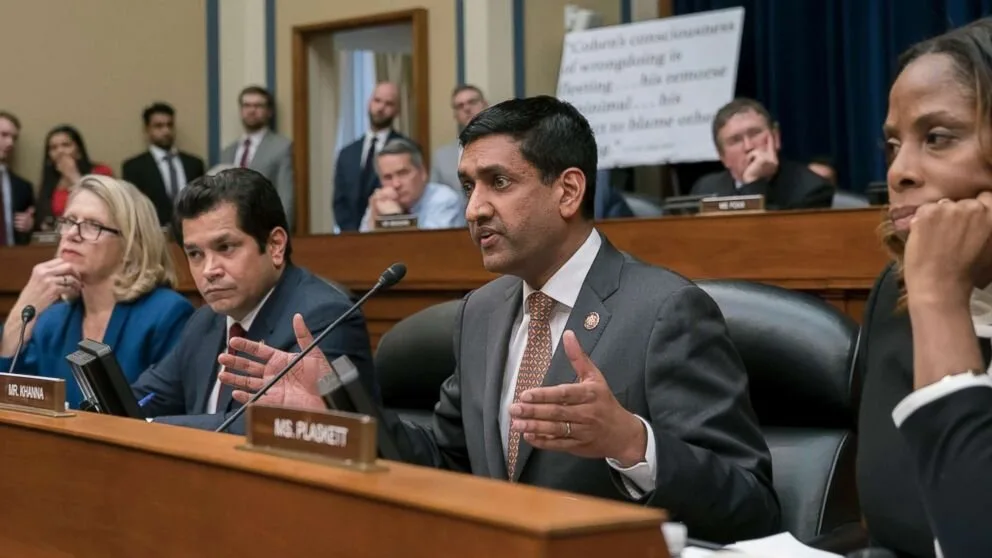
Ali Akbar Salehi, head of the Iranology Foundation and former foreign minister, addressed the concept of national sovereignty and strategic independence at a joint meeting of cultural and student deputies of the country's medical universities at Tehran University of Medical Sciences. He noted that all member states of the United Nations possess national sovereignty and emphasized that in times of crisis, a country's strategic independence becomes particularly important.
The Necessity of Independence in Decision-Making
Salehi stated: "A country has strategic independence when it can stand on its own feet and make its own decisions in times of danger and hardship." He referred to the situation of the countries surrounding Iran and questioned how independently these countries could make decisions in the event of a crisis. He mentioned the prominent feature of the Islamic Revolution as independence in decision-making and said: "Iran is not under the political orbit of any power and makes decisions for itself."
Read more: Ali Akbar Salehi: The West's Conflict with Iran Has Reasons Beyond Nuclear Issues
Power and Its Components in Today's World
Salehi discussed the components of power in today's world and said: "Power is no longer just about military strength, but is a combination of various factors including economy, technology, finance, industry, knowledge, and market." He also pointed out that a country's ability to independently choose its policies is also considered a component of power. According to him, China is trying to compensate for its weaknesses and develop its financial system, technology, and military capabilities.
Salehi emphasized that Iran should not shift from dependence on one network to dependence on another. He stated: "If we are distancing ourselves from the West, we should not become dependent on another party."
Iran's Economic Capacities
He referred to Iran's economic capacities and said: "Iran has a set of significant capacities simultaneously; including vast energy resources, mineral reserves, a large domestic market, and geographical position." Salehi stressed the necessity of creating appropriate infrastructure and establishing investment security, stating: "One of the requirements for activating economic capacities is investment security."
Salehi also pointed to Iran's role in shaping a balance among major powers and said: "Iran is a country that can influence the balance among several major powers."
Current Challenges and Hope for the Future
The head of the Iranology Foundation, referring to the current conditions of the country and the imposed crises, said: "We hope to overcome this crisis." In response to some comments regarding the disintegration of Iran or the collapse of the country's political system, he emphasized: "The experience of the eight-year imposed war shows that Iran can overcome challenges."
Salehi, while emphasizing the importance of national cohesion and unity, said: "We must act in a way that this pride and overcoming the crisis is achieved with minimal cost."
Read more: Mohammad Javad Zarif: Never Threaten Iranians · America in the Grip of Crisis: Controversial Scenarios Facing the White House