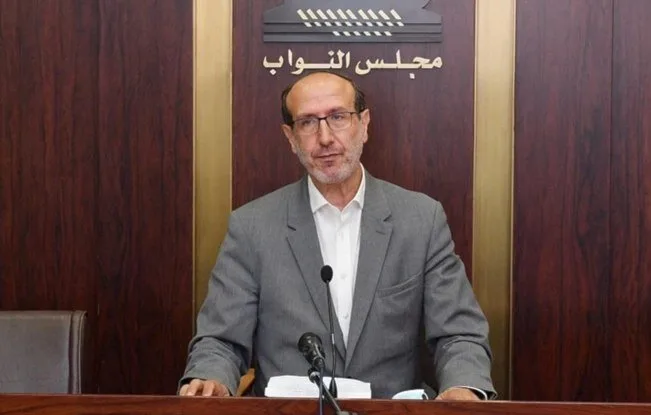
Ahmed Al-Shara', the head of the Syrian transitional government, who has been recognized as one of the key figures in Syrian developments in recent years, has recently withdrawn from the Iraq-Lebanon oil pipeline project. This project, which was supposed to serve as an energy corridor in the region, is now facing ambiguities that could have wide-ranging impacts on the political and economic relations of the three countries: Lebanon, Syria, and Iraq.
Details of the Oil Pipeline Project
The oil pipeline project, aimed at transporting crude oil from Iraqi oil fields to the shores of Lebanon, was considered one of the strategic projects for securing Lebanon's energy needs. The pipeline was supposed to pass through Syria to reach Lebanon, but with the political and economic changes in the region, the future of this project is currently shrouded in uncertainty.
Read more: The Trump Administration Begins Investigations into 9 Prestigious American Universities
Reasons for Ahmed Al-Shara's Withdrawal
Ahmed Al-Shara's withdrawal from this project may be due to several factors. On one hand, the lack of political agreements between Lebanon and Syria, as well as the economic challenges that Lebanon is grappling with, may have influenced this decision. On the other hand, existing tensions in international relations and economic pressures from Western countries could also be another reason for this issue.
In recent years, Lebanon has faced deep economic and political crises, which have caused major projects like the oil pipeline to encounter serious challenges. Given these circumstances, many experts believe that Al-Shara's withdrawal could be a sign of the inability to advance large projects in this region.
Possible Consequences
Ahmed Al-Shara's withdrawal from the oil pipeline project could have serious consequences for relations between Lebanon, Syria, and Iraq. This decision may lead to a decrease in economic cooperation among these countries and, at the same time, affect investment opportunities in energy infrastructure.
Additionally, these developments could negatively impact Lebanon's economic situation and expose its people to more challenges. Considering that Lebanon is heavily dependent on energy imports, the failure to realize this project could exacerbate the energy crisis in Lebanon and leave profound social and economic impacts.
Ultimately, the developments regarding the Iraq-Lebanon oil pipeline project indicate that the future of relations among these countries is heavily dependent on the political and economic conditions in the region, and this matter should be taken into account by policymakers.
Read more: Putin to Trump: Diplomatic Channels Regarding Iran Are Still Open · Iraqi Security Official: No Foreign Military Forces Are Present in Iraq