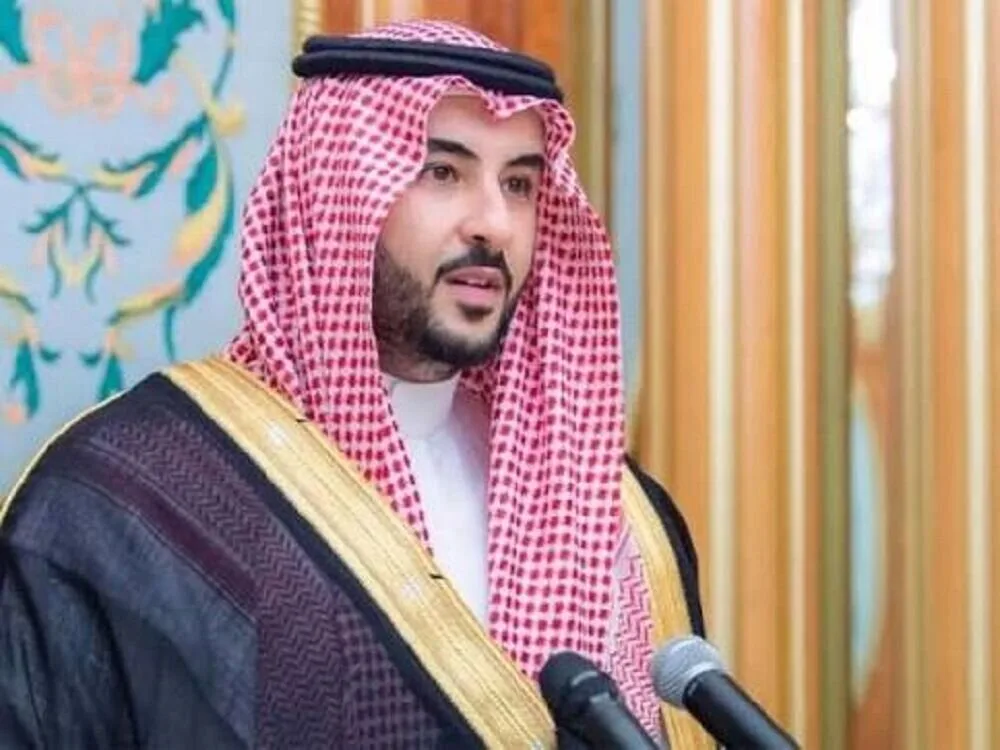
In an unexpected move, Abu Dhabi denied reports about consultations between Mohammed bin Zayed, the Crown Prince of the UAE, and Benjamin Netanyahu, the Prime Minister of the Zionist regime, under pressure from Tel Aviv. These reports gained attention especially following the October 7 operation, which led to heightened tensions in the region.
Pressure from the Zionist Regime
The Zionist regime exerted significant pressure on the UAE to respond to rumors regarding communications between Bin Zayed and Netanyahu. This pressure was such that Abu Dhabi ultimately had to deny these reports. While in recent days, relations between the UAE and the Zionist regime had improved due to recent agreements, these new developments indicate hidden tensions in the relationship between the two sides.
Read more: Advancement of Yemeni Armed Forces in the Al-Alqamah Axis
Political and Security Implications
The denial of these reports could have significant implications for the relations between the UAE and the Zionist regime. As security and political crises in the region have reached their peak, such denials may indicate uncertainty in diplomatic and military relations between the two countries. The UAE, as an important country in the Gulf, plays a key role in regional developments, and any tension in its relations with Tel Aviv could lead to broader repercussions.
Moreover, political analysts believe that such pressures from Tel Aviv could be seen as a strategy to strengthen Israel's position against Arab countries. Netanyahu is trying to stand firm against internal and external challenges by maintaining and strengthening relations with Arab countries. Therefore, any attempt to create tension or distrust in relations with the UAE could be considered a major risk for Israel.
The Role of the UAE in Regional Developments
The UAE, as one of the most advanced Arab countries, has been seeking to strengthen its position on the international stage in recent years. By signing normalization agreements with Israel in 2020, this country has emerged as a new model for regional cooperation. However, these denials reflect the challenges the UAE faces in maintaining these relations with Israel.
Ultimately, given the political and security complexities in the region, it seems that the UAE is trying to defend its national interests by maintaining a balance in its relations with Israel and other countries. This issue clearly indicates the sensitivities present in regional diplomacy and the necessities for maintaining security and stability in the Gulf.
Read more: Medvedev: The U.S. Only Responds to Direct Military Deterrence · Masaad Boulos: Trump is Seeking to End the War with Iran