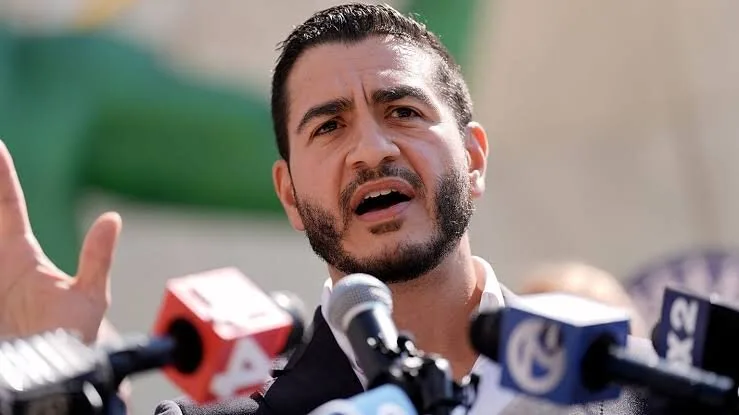
Abdul Sayed, as the first Muslim senator in American history, won the Senate election in Michigan and represents a new voice for the people of this state. In his speeches, he emphasized the importance of using people's taxes to improve local life and infrastructure, expressing his concerns about military spending and wars.
Determination for Change
In his campaign rallies, Abdul Sayed clearly stated: "We want our taxes to be spent right here. For schools, healthcare, and local infrastructure." With this statement, he called for fundamental changes in the country’s financial and social policies. His words reflect his strong determination to improve the living conditions of the people in Michigan and emphasize domestic priorities over foreign expenditures.
Read more: Fatemeh Kaveh Manesh, a Teacher Who Donated Her Home to the Needy
Concerns About War Spending
Abdul Sayed also criticized military spending and wars, asserting that people do not want their money to be spent on "apartheid, genocide, or war." He believes that more attention should be paid to the immediate and essential needs of the people, and these needs should be prioritized. His perspective not only has political implications for the state of Michigan but could also have a national impact.
Abdul Sayed's statements reflect the concerns of many Americans who are seeking change and improvement in social and economic systems. By announcing these positions, he will act as a strong representative for the Muslim community and other minorities in America.
With Abdul Sayed's victory, it can be expected that he will become an influential figure in the Senate, seeking positive changes and creating a suitable environment for all segments of society. He demonstrates that new politicians can act in the public interest with a human-centered and people-oriented perspective.
Read more: The Presence of Hojjatoleslam Mohammad Mahdi Imani Pour in Vienna and the Gathering of Iranian Elites · Arab Parties and the Change of the Political Map of the Zionist Regime's Cabinet