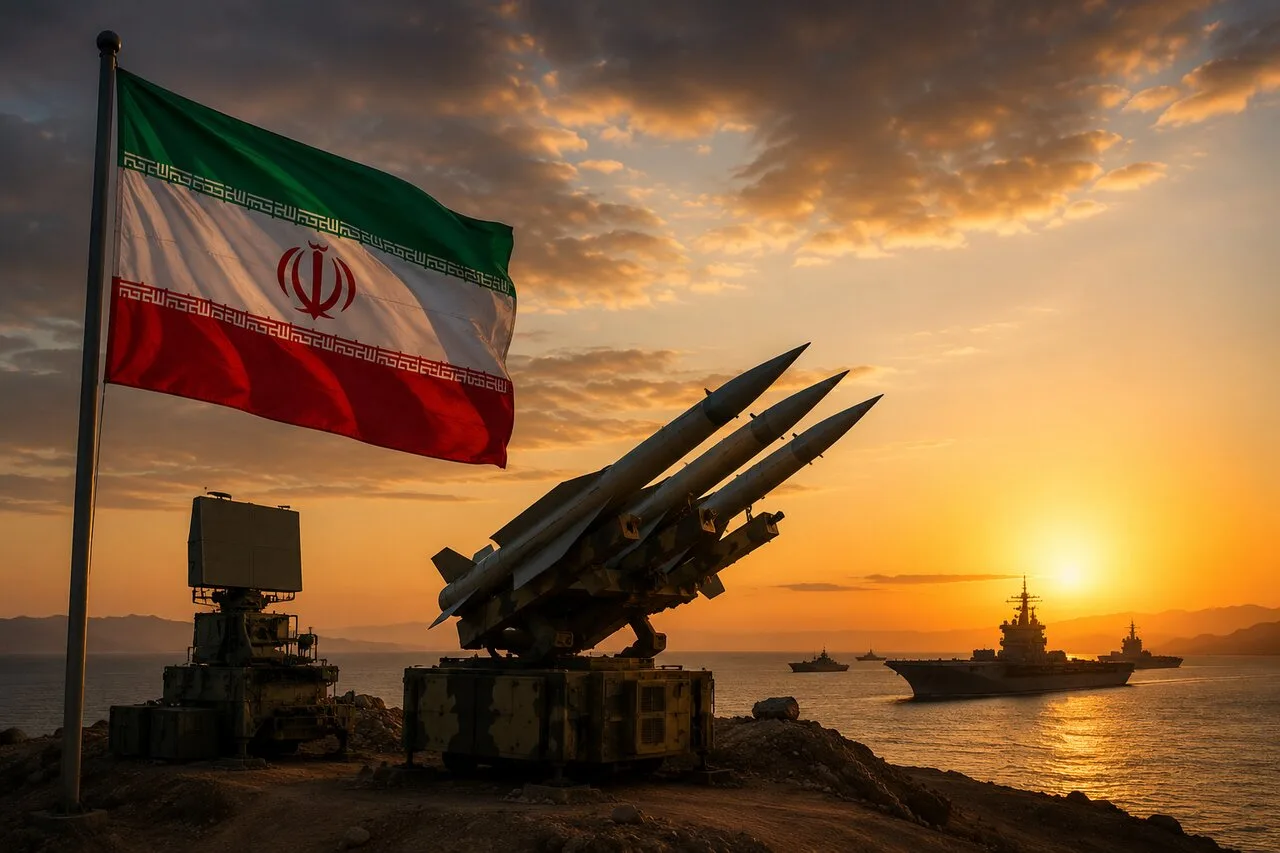
Eight U.S. Marines were injured during an Iranian cruise missile attack on an American military ship in the Strait of Hormuz. This attack occurred two weeks ago, and following it, U.S. military officials have stated that the injuries of these servicemen were not severe, but some experienced smoke inhalation and symptoms similar to a concussion, including headaches.
Details of the Attack and the Condition of the Injured
According to the information provided, these Marines were active on the ship at the time of the attack. U.S. officials have emphasized that the injured personnel did not suffer serious harm, but the possibility of brain injuries due to the impact is being investigated in some cases. This situation reflects the challenges that U.S. military personnel face in operational areas.
Read more: Release of Political Prisoners in Venezuela as a Positive Step
Increase in Casualties in the War with Iran
The U.S. Department of Defense has recently quietly announced an increase in its casualty figures in the war with Iran. According to the Washington Post, the official Pentagon statistics show that the number of servicemen injured in this war has increased by 37, bringing the total number of American servicemen injured in the war against Iran to 861 as of Wednesday.
More than half of these cases have been categorized under "overseas operations" in the Pentagon's database, which have been created since the ceasefire began in July between Washington and Tehran. Previously, the statistics for killed and injured personnel were categorized under "Operation Epic Fury." These changes in casualty statistics reflect the complex and changing military situation in the region.
Consequences of the Attack and Future Concerns
The missile attack on the American military ship in the Strait of Hormuz has not only resulted in injuries to the Marines but has also raised broader concerns. This incident could escalate tensions between Iran and the United States and impact the military strategies of both countries. Additionally, the humanitarian consequences of these attacks on the servicemen and their families must also be considered.
As relations between Tehran and Washington remain tense, these attacks and the resulting injuries could lead to continued and intensified conflicts. Servicemen and their families are under significant pressure in this situation, and the psychological impacts of such incidents can affect their lives.
Read more: Chinese President's Visit to America; A Sign of Change in Beijing-Washington Relations · Meeting of Seyed Abbas Araghchi and Hakan Fidan in New York