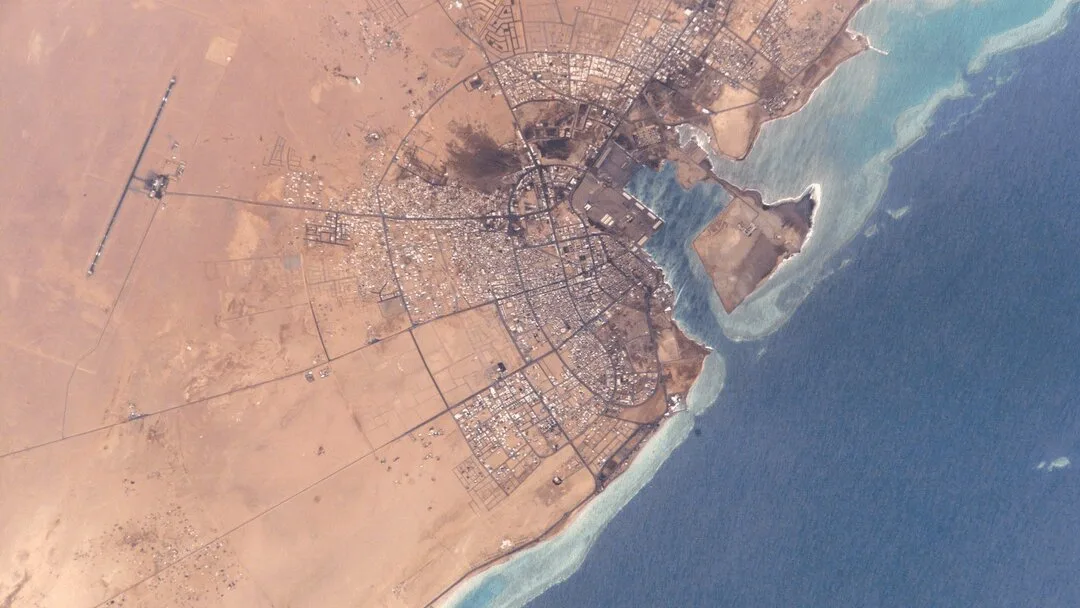
Saudi Arabia, as one of the largest oil producers in the world, is now facing a serious challenge regarding its oil reserves. Reports indicate that the country's oil reserves at the port of Yanbu have become so limited that they are only sufficient for 5 to 7 days. This issue raises serious concerns about the economic future of Saudi Arabia and the country's ability to continue meeting global oil demands.
Status of Saudi Oil Reserves
According to published information, Saudi oil reserves are declining, and the country has only a small amount of oil stored in Egypt. This situation may gradually impact the global oil market and increase prices. Saudi Arabia, recognized as a major player in the energy market due to its vast oil reserves, is currently facing the challenge of whether it can meet its own needs and those of international consumers.
Read more: Janjan: Any price increase must have targeted support attached
Economic Consequences of the Oil Crisis
The decline in Saudi oil reserves could have widespread consequences for the economy of the country as well as the global economy. As one of the largest oil exporters, Saudi Arabia may face an economic crisis if it is unable to meet market demands. This crisis could lead to a decrease in oil revenues and an increase in unemployment in the country. Additionally, countries dependent on Saudi oil may also be affected by this situation, and consequently, the global oil market will face price fluctuations.
Ultimately, this issue serves as a warning for Saudi Arabia and the global oil market. The country must take measures to manage its oil resources as soon as possible to prevent deeper crises. Given the importance of oil for the global economy, any reduction in Saudi oil production and exports could have serious consequences for the energy market and the economies of oil-dependent countries.
Read more: Opening of 4 new markets: Tehran reaches 312 fruit and vegetable markets · Mohammad Kashti-Arai: Take the secrets of buying gold seriously!