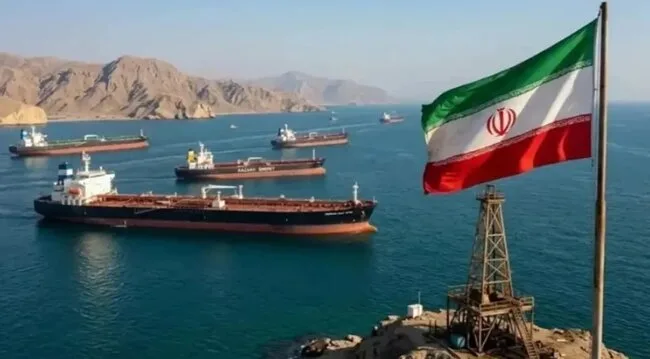
Following the escalation of tensions in the Middle East, oil market analysts have warned of an increase in oil prices above $١٢٠. This predicted price increase will not only impact the energy market but also have profound effects on the global economy.
Reasons for the increase in oil prices
Recently, military and political conflicts in the Middle East have significantly intensified. These tensions have raised serious concerns about oil supply and price increases. According to experts, these conditions could lead to a new round of oil price volatility, which in turn will affect the economies of oil-dependent countries and increase the cost of living for people.
Moreover, the geopolitical and political situation in the Middle East, which is considered one of the main oil-producing regions in the world, plays a key role in determining global prices. In this context, any disruption in oil production or exports could quickly drive prices to unprecedented levels.
Economic and social repercussions
The increase in oil prices not only impacts the macroeconomics of countries but may also have social consequences. For example, rising fuel prices can put more pressure on households and fuel social discontent. This can lead to more protests and unrest in various countries.
Therefore, given the current conditions and forecasts, it seems that the oil market is on the brink of a major transformation. These developments will not only affect oil prices but may also have widespread economic and social consequences. In these circumstances, the need for continued monitoring and analysis of the oil market is felt more than ever.