Following the escalation of tensions in the Middle East and its impact on the energy market, the European Central Bank has announced that it intends to raise interest rates for the second time this year at its meeting on Thursday. This decision is made to combat the sharp rise in inflation rates resulting from recent crises and reflects serious concerns of economic officials regarding current trends.
Rising Inflation and Economic Concerns
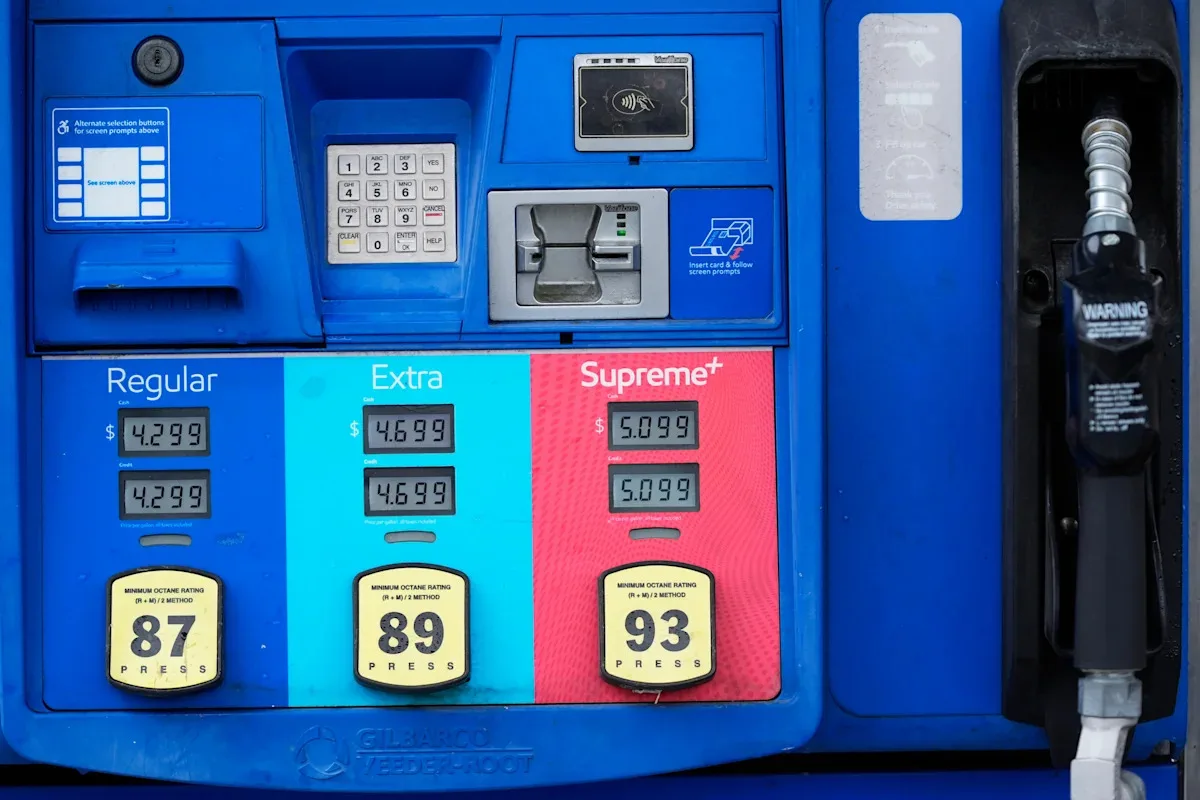
The Iran war has directly impacted energy prices, consequently significantly increasing the cost of living in European countries. Economic officials believe that without immediate action, this trend could lead to deeper economic crises. Raising interest rates as a tool to control inflation may help reduce demand and stabilize the market, but at the same time, it could also affect economic growth.
Challenges Facing the Central Bank
The European Central Bank is trying to maintain balance; on one hand, it must control inflation, and on the other hand, it must consider the risk of economic recession. These challenges have arisen at a time when many European countries have not yet recovered from the consequences of the COVID-19 crisis and are now facing a new crisis.
Economic analysts believe that this decision may be just the first step in a series of larger changes. While some experts believe that raising interest rates can help reduce inflation, others warn about its negative impacts on economic growth.
In any case, it remains to be seen whether this action by the European Central Bank can help create stability in financial and energy markets or whether it will exacerbate new crises. Certainly, the future ahead is filled with challenges for the European economy, and this war in Iran may be just part of the story.