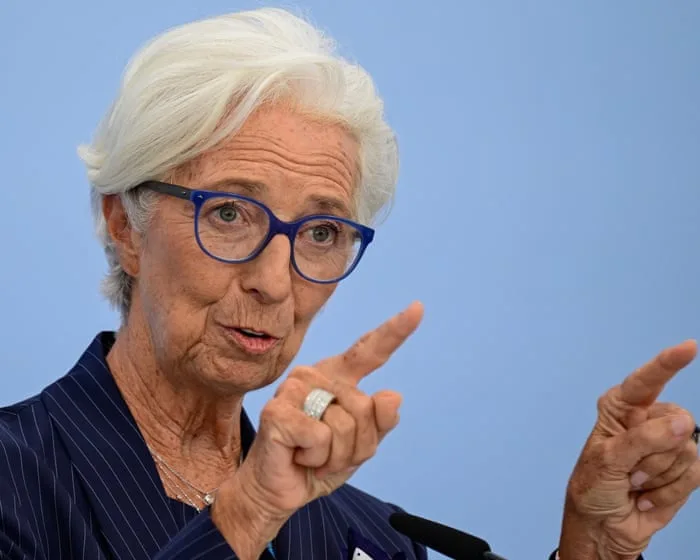
The European Central Bank has clearly indicated that economic challenges in the continent are still intensifying with the increase of interest rates to 2.5%. This decision was made following serious concerns about rising inflation due to recent conflicts in the Middle East. Recent conflicts in the Strait of Hormuz and attacks on ships have directly impacted oil prices, pushing energy supply costs above $105 per barrel.
Economic impacts following Middle Eastern wars
With rising oil and gas prices, the European Central Bank has warned that price pressures in the Eurozone are increasing. This issue could lead to the formation of a vicious inflationary cycle that negatively affects people's daily lives. Higher interest rates mean higher costs for loans and credits, which could impact economic growth.
Analysts believe that the interest rate hike may be part of the European Central Bank's efforts to control inflation and maintain economic stability. However, in a situation where political and military tensions in the Middle East continue, predicting the economic future has become extremely difficult.
Challenges facing Europe
While Europe is trying to navigate the economic crises caused by wars in the Middle East, the increase in interest rates may lead to a decrease in consumers' purchasing power. This could result in reduced demand and consequently slow down economic growth. European countries must closely monitor this situation to prevent unintended economic consequences.
Overall, the current situation indicates serious challenges for the European economy. As wars and international tensions put pressure on prices, banks and governments must seek solutions to address these crises.