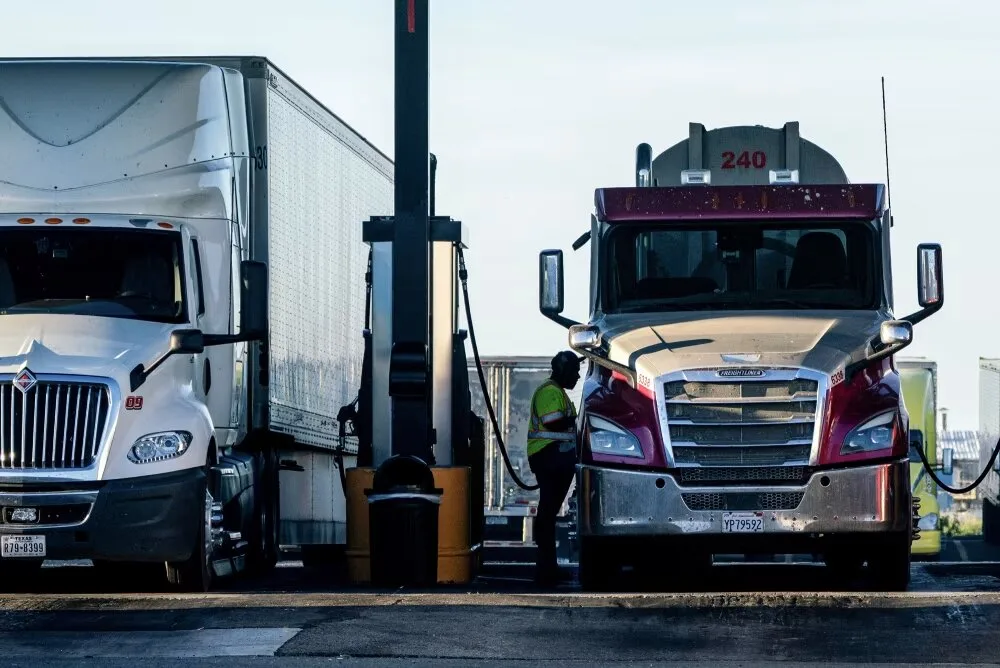
In a controversial and unexpected turn of events, the price of diesel at one fuel station in the state of California has reached a historic $9.99 per gallon. This unprecedented increase not only puts drivers in a difficult position but also indicates deeper challenges in the fuel market of the United States.
Economic and Social Challenges
Given the high dependency of Californians on cars and personal transportation, this price increase could quickly impact the cost of living. Analysts believe that this increase, considering the global fluctuations in oil prices and the state's environmental policies, could exacerbate economic and social crises. Many families and businesses now need to plan more carefully to secure the fuel they require.
In these circumstances, many Californians are seeking solutions to reduce costs. Public transportation, carpooling, and even changing commuting methods have been proposed as options. But can these solutions truly help alleviate the financial burden caused by rising fuel prices?
Long-term Consequences
The outlook for the future suggests that if the upward trend in prices continues, we may witness significant changes in consumer behavior and even government policies. This price increase could prompt the California government to reconsider its energy and fuel policies and move towards renewable energy. For example, there may be more incentives for electric vehicles and related infrastructure.
Ultimately, the current situation highlights the necessity for a reevaluation of the fuel and energy system in California. Are we moving towards a fundamental change in how we consume fuel, or should we expect new price records? Only time will answer these questions.