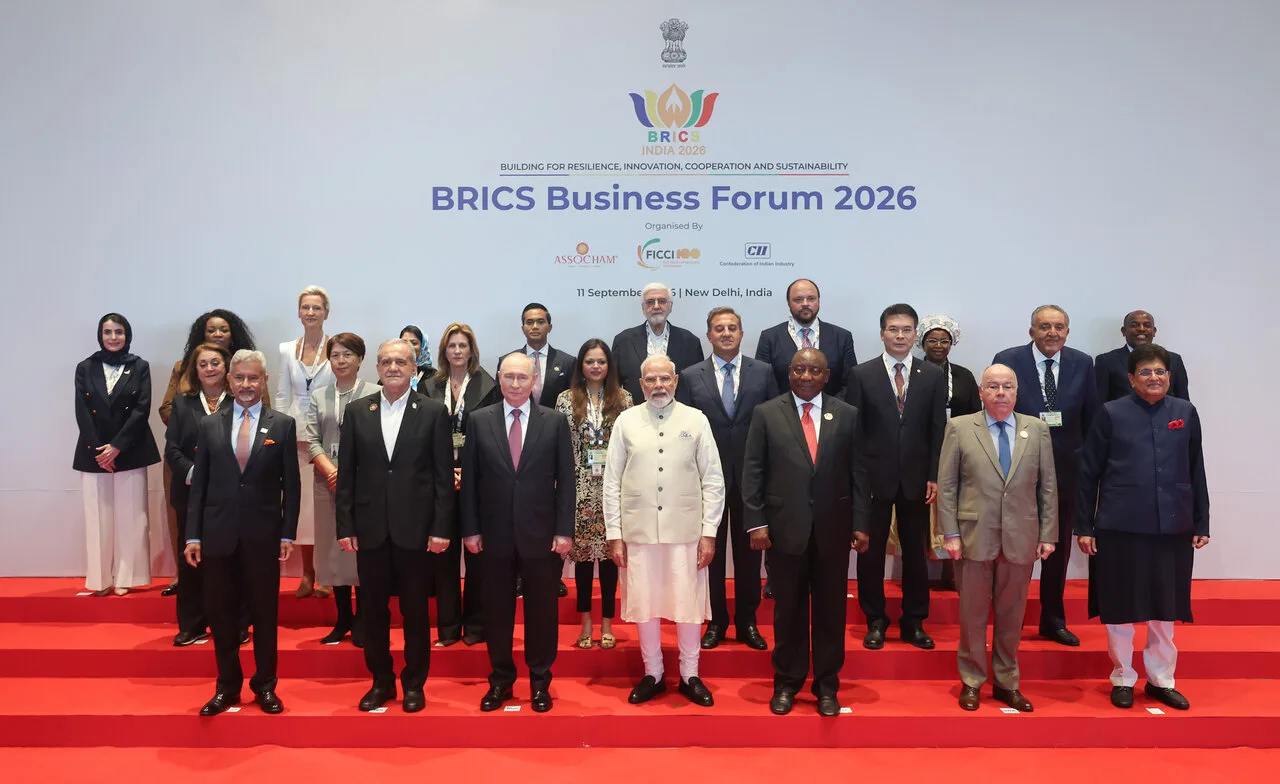
The BRICS summit in Delhi, as one of the important economic events of the year, attracted a lot of attention. Despite the growing weight of BRICS in the global economy, this meeting demonstrated that the group has not yet reached the point where it can act as an economic shield against sanctions.
Trade Realities in the Shadow of BRICS
For Iran, the most significant current achievement of BRICS is not the establishment of an independent financial system, but rather the opening of some trade routes, payment, and cooperation with non-Western partners. These changes, especially as Iran seeks to reduce its dependence on the dollar, could be promising. But can these openings truly lead to the fulfillment of the promises of dollarization?
At this summit, BRICS member countries, including Russia, China, and India, were seeking to strengthen their economic and trade cooperation. However, Iran, as one of the new members of BRICS, is still trying to take advantage of these opportunities. In fact, the step Iran has taken in this regard is gaining access to new markets and diversifying its trade partners.
Challenges and Opportunities
Despite these opportunities, many challenges also lie ahead for Iran. While BRICS can serve as a platform for economic cooperation, sanctions and international restrictions remain the main obstacle to Iran's progress in this area. This issue is particularly felt in terms of financial and banking transactions.
Therefore, while BRICS can be seen as a new hope for Iran, the existing realities indicate that this path is still fraught with challenges. The promises of dollarization seem to have not yet been fully realized in light of these developments and require more time and effort.